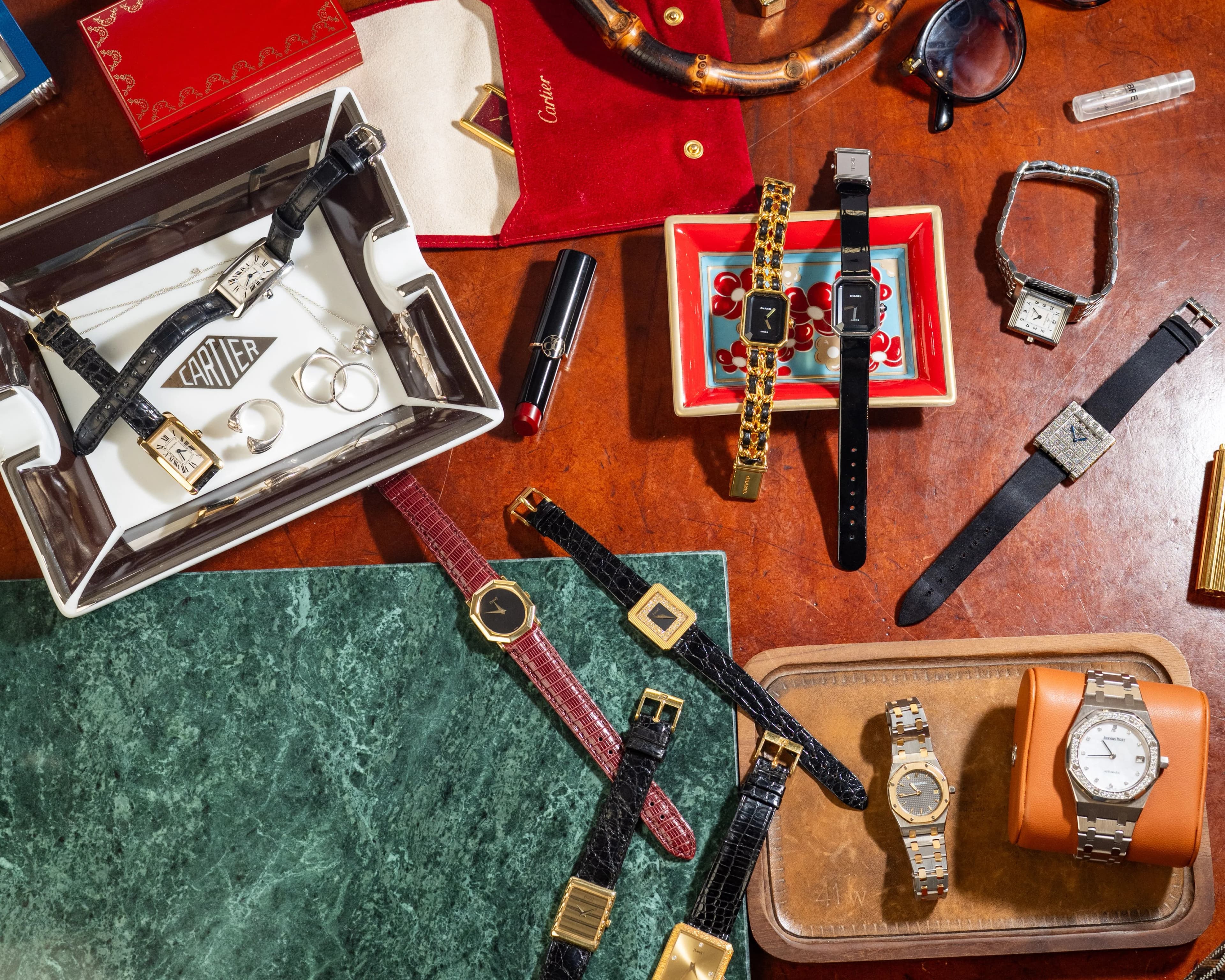
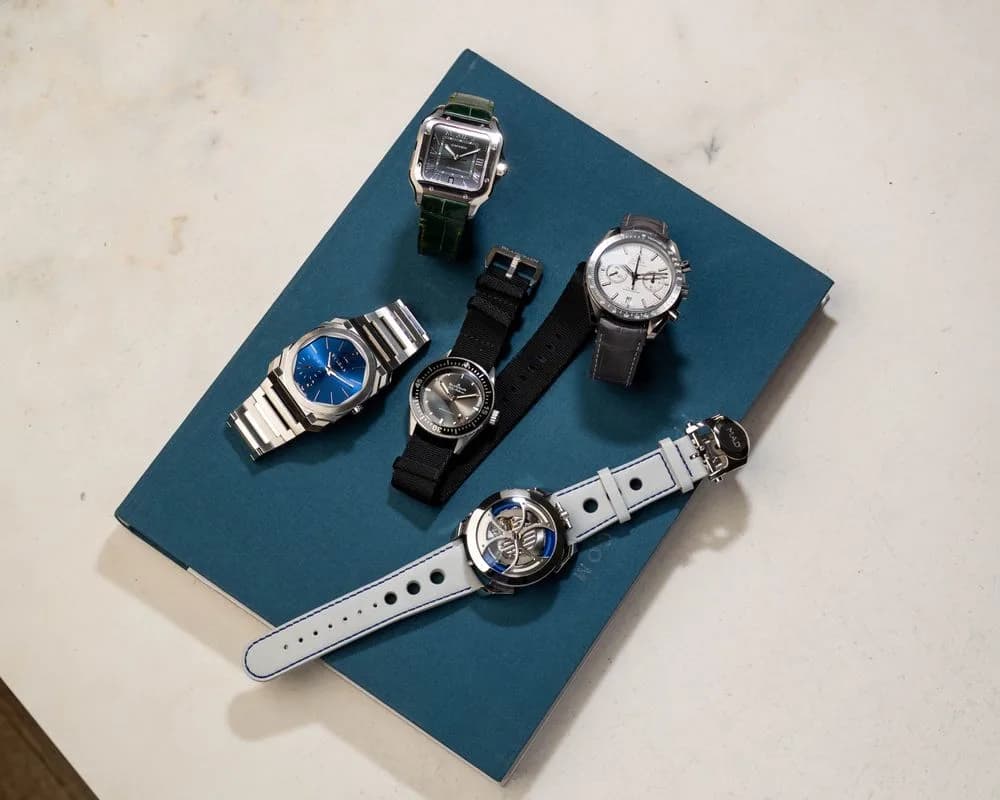
The watch is commonly associated with men, whether because of the status conveyed by certain brands or the sometimes imposing case sizes that can be difficult to wear on slimmer wrists. Yet this was not always the case. At a time when men primarily carried pocket watches, wristwatches were widely regarded as feminine accessories.
As wristwatches gradually became the preferred choice for their practicality, they were embraced by everyone. While it is easy today to name countless iconic men's models, women's watches have produced their own share of legends—timepieces that are every bit as creative as they are elegant.
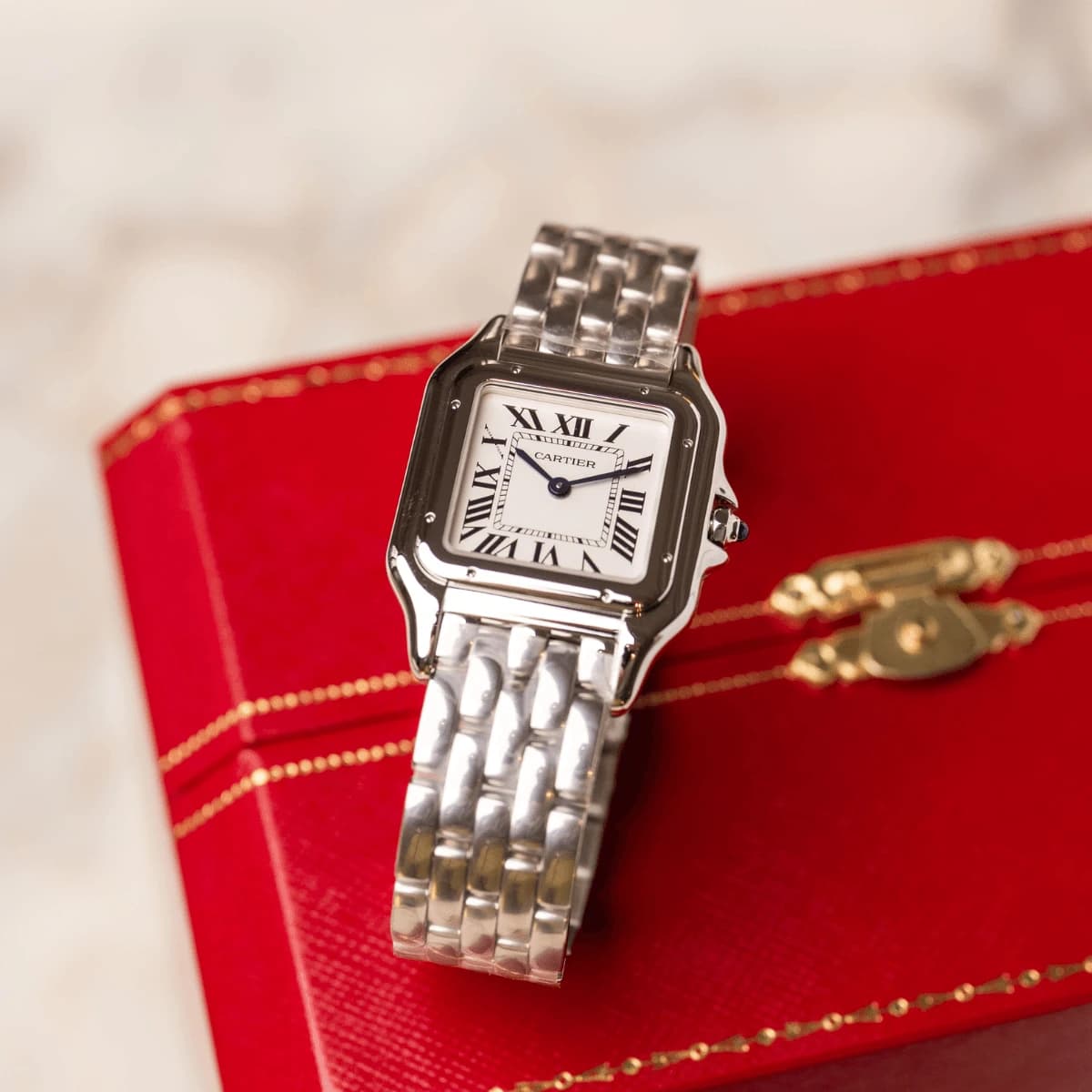
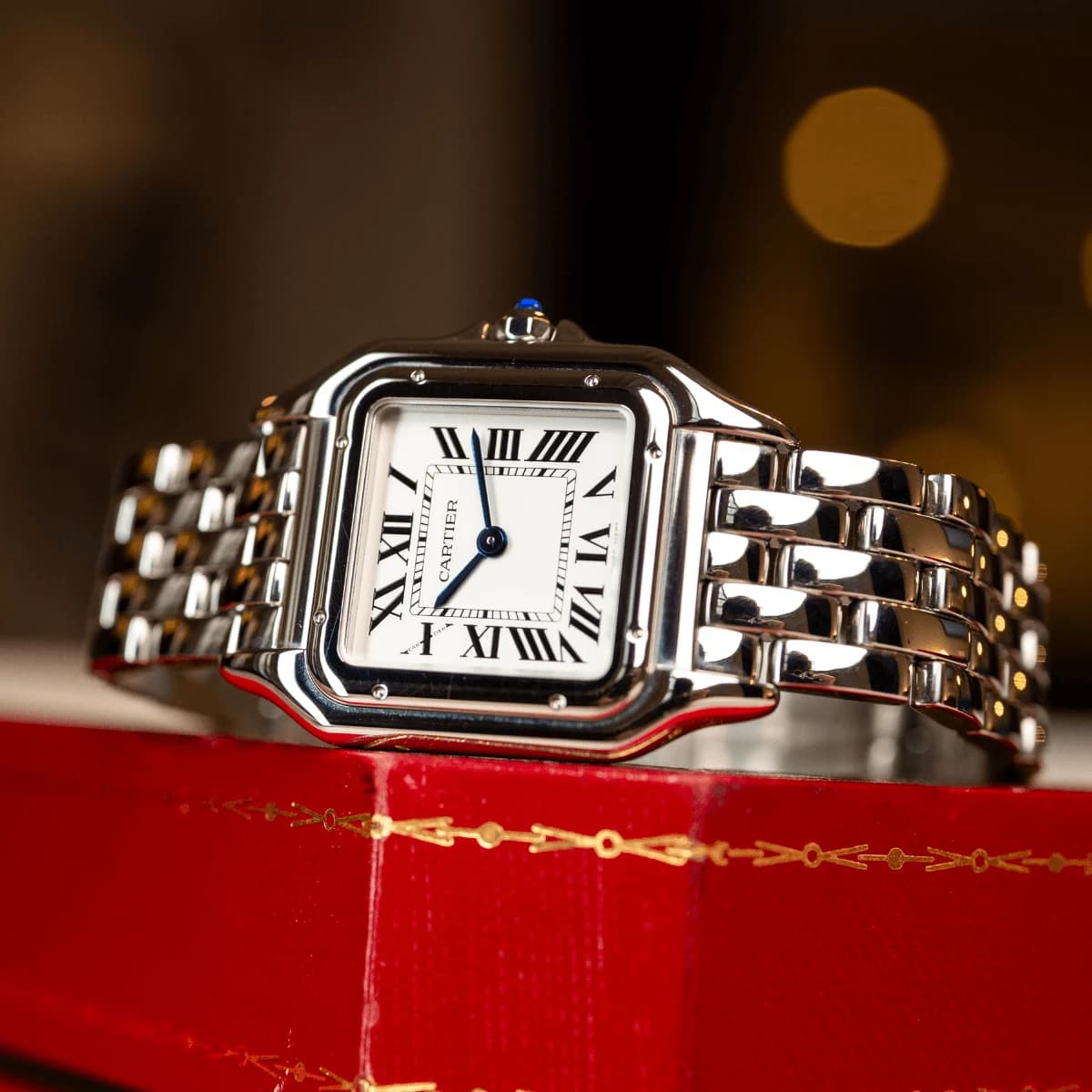
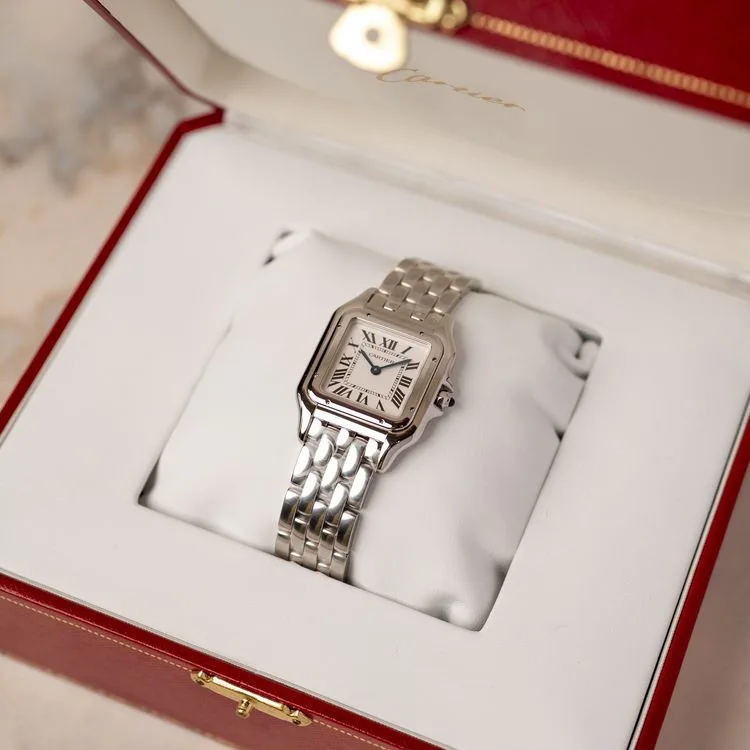
Cartier Panthère: A Celebration of French Elegance
Cartier is a Parisian maison founded in 1847. Although originally renowned for its jewelry creations, it left a lasting mark on the history of watchmaking by creating the first men's wristwatch: the Santos-Dumont, named after the daring Brazilian aviator and friend of Louis Cartier.
The now-iconic shape of the Santos-Dumont would later inspire another legendary timepiece, this time unmistakably feminine: the Cartier Panthère, first unveiled in 1914. Featuring an Art Deco design set with diamonds and accented by onyx elements reminiscent of the panther's coat, it was a bold creation that embodied a strong and provocative vision of femininity.
Other Iconic Cartier Models
The Cartier Tank and its many variations, the timeless unisex design that has become a true icon, the Cartier Ballon Bleu, the Santos, and countless others that would be impossible to list exhaustively. Let us instead focus on another legendary women's watch: the Cartier Baignoire.
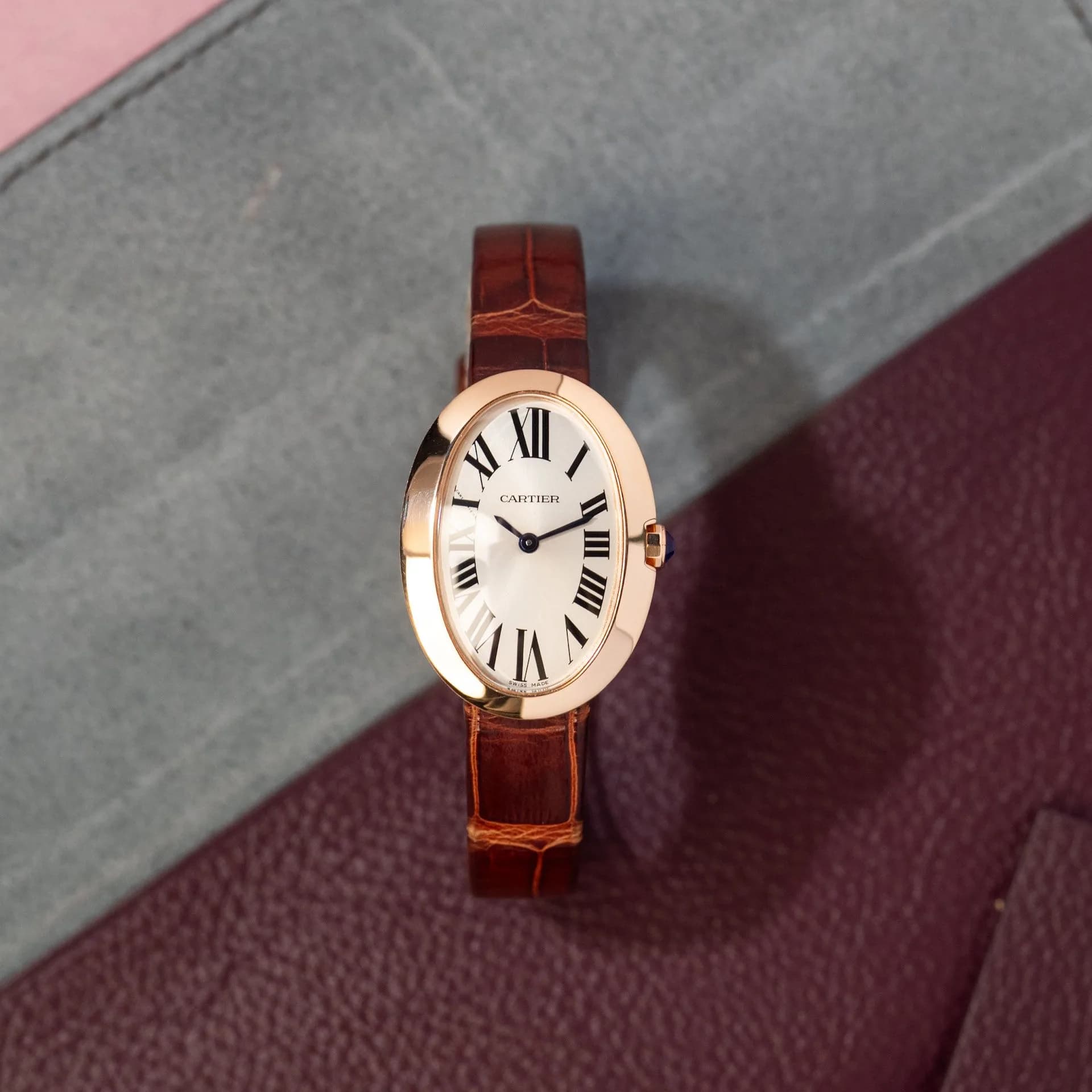
Instantly recognizable thanks to its oval shape and minimalist dial, the Cartier Baignoire evolved from a model dating back to 1912. At the time, its form was closer to a rounded rectangle, stretched horizontally rather than vertically. The Cartier "Ovale-Cintrée," introduced in 1958, laid the foundations for the modern Baignoire, whose name officially appeared in 1973. As with many Cartier icons, numerous variations exist—small, large, elongated—and the Baignoire can even be seen as a close relative of the Cartier Crash, the asymmetrical watch often described as a Baignoire that has "melted."
Still part of the collection today, the Cartier Baignoire is available in simple, partially set, or fully gem-set versions. It was the watch of choice for actresses such as Jeanne Moreau, Romy Schneider, and Catherine Deneuve during their younger years. More recently, it has been seen on the wrists of Lou Doillon and Kendall Jenner.
Among men, George Harrison was famously photographed wearing a Baignoire, and the watch has since found favor with men unafraid to challenge conventions, including Paul Mescal, Timothée Chalamet, Bad Bunny, and French actor Raphaël Quenard. The New York fashion label has also featured the watch on male models in its lookbooks. These examples seem to reflect a broader trend in menswear toward smaller watch diameters, encouraging many collectors to explore women's models that are every bit as elegant and often more wearable.
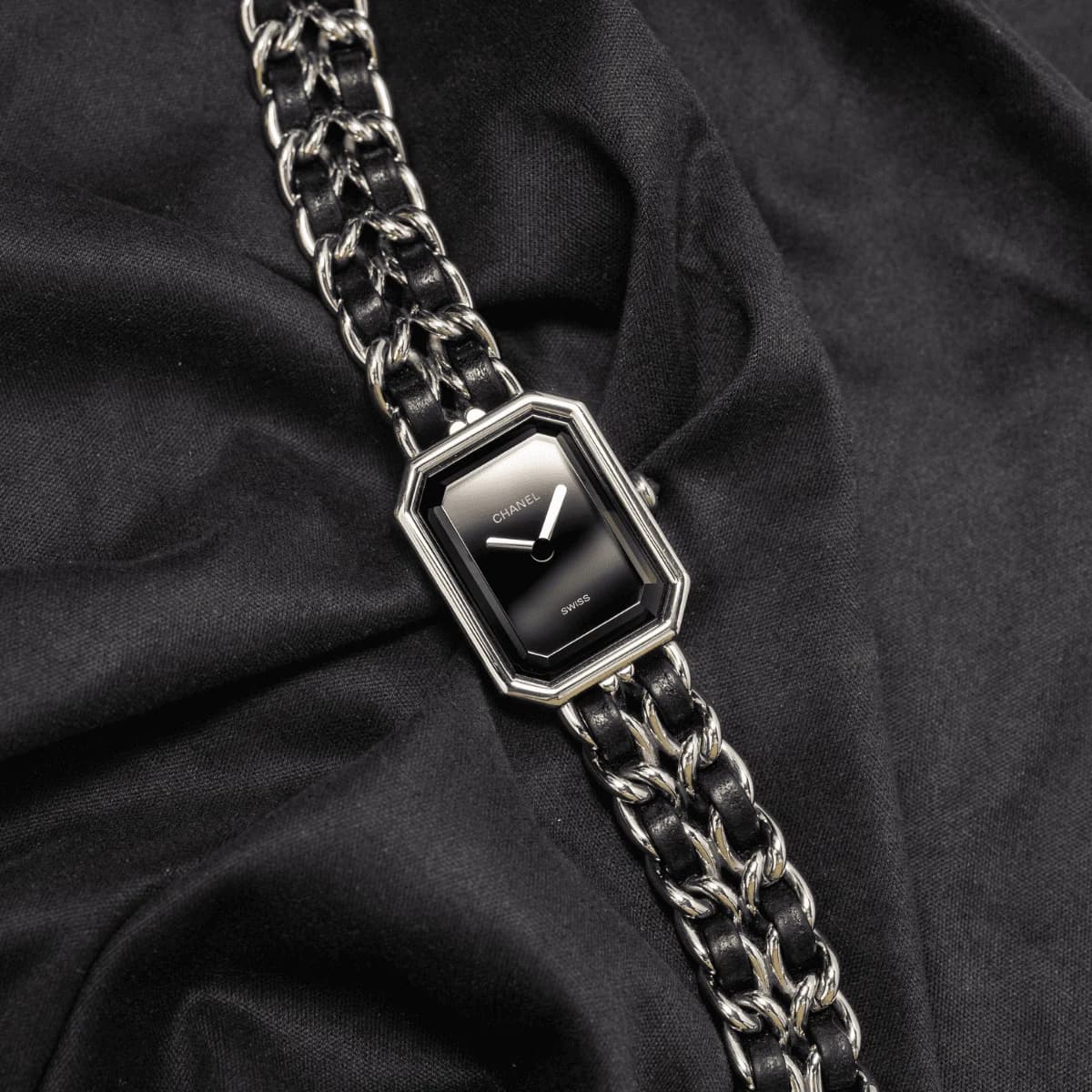
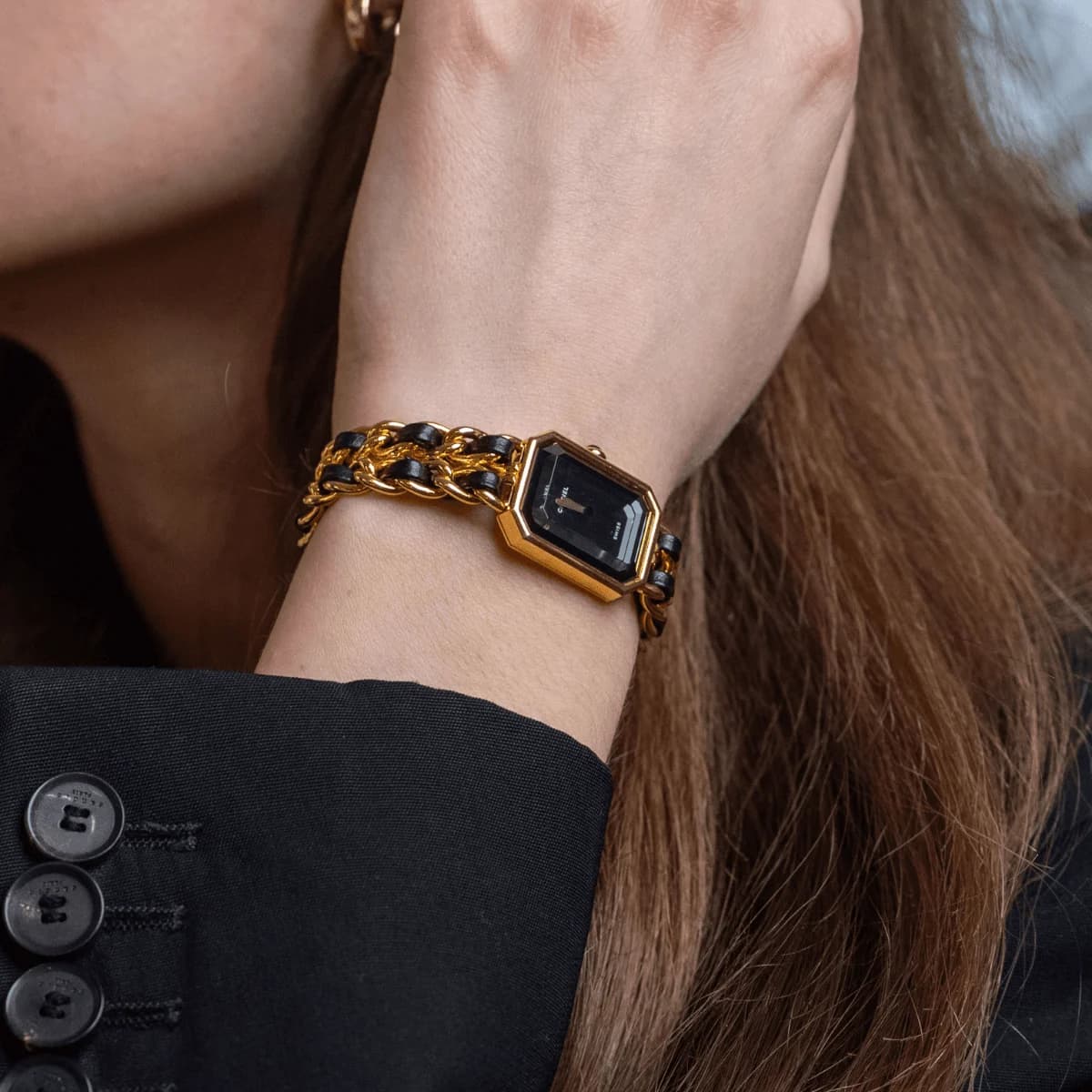
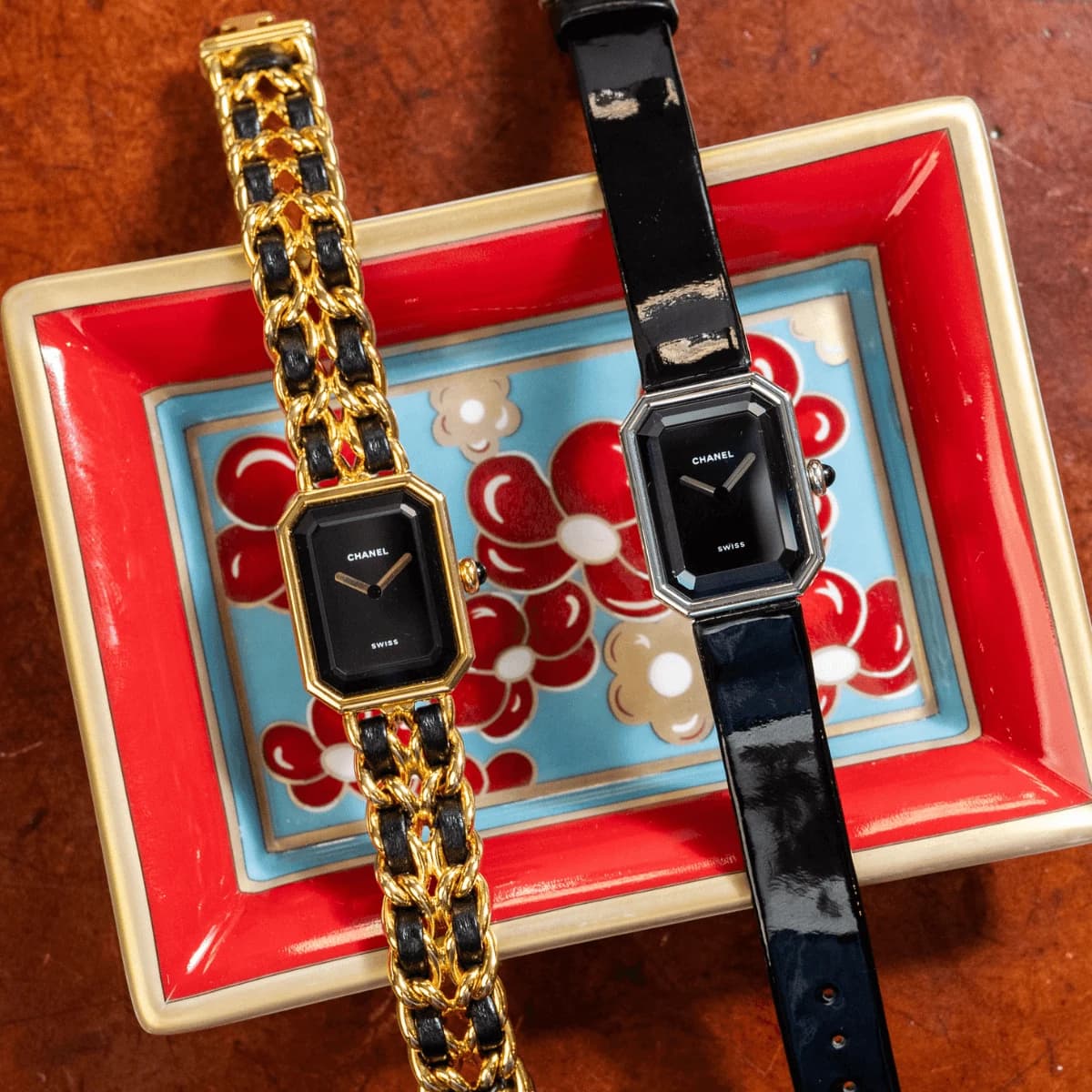
Chanel Première: Reinventing Femininity
Gabrielle "Coco" Chanel created an entire wardrobe designed for women at the dawn of the twentieth century and the rise of female emancipation. Through her creations, she helped redefine the codes of feminine style, freeing women from restrictive corsets and encouraging more fluid, comfortable silhouettes without sacrificing elegance.
Handbags, clothing, jewelry, and above all fragrances—most notably the iconic Chanel No. 5—helped establish the Parisian maison as a global symbol of French elegance.
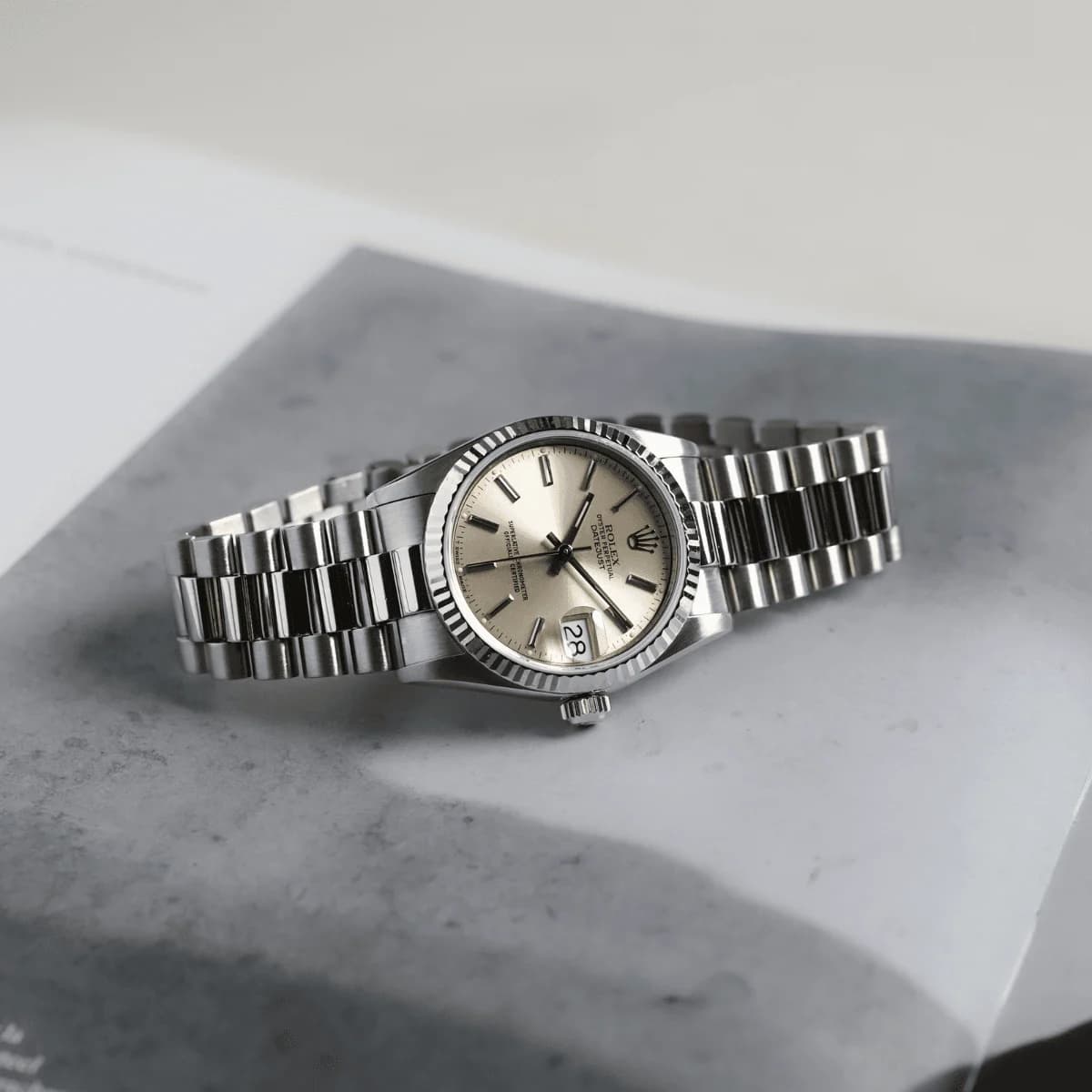
Rolex Lady-Datejust: A Sporting Watch Designed to Push Boundaries
Rolex has never set out to create jewelry watches. While the years have seen the brand introduce countless gem-set references, precious metal executions, and artistic dials, it is important to remember that Rolex has always been driven by a different ambition: breaking records and accompanying those who push the limits of exploration and athletic achievement.
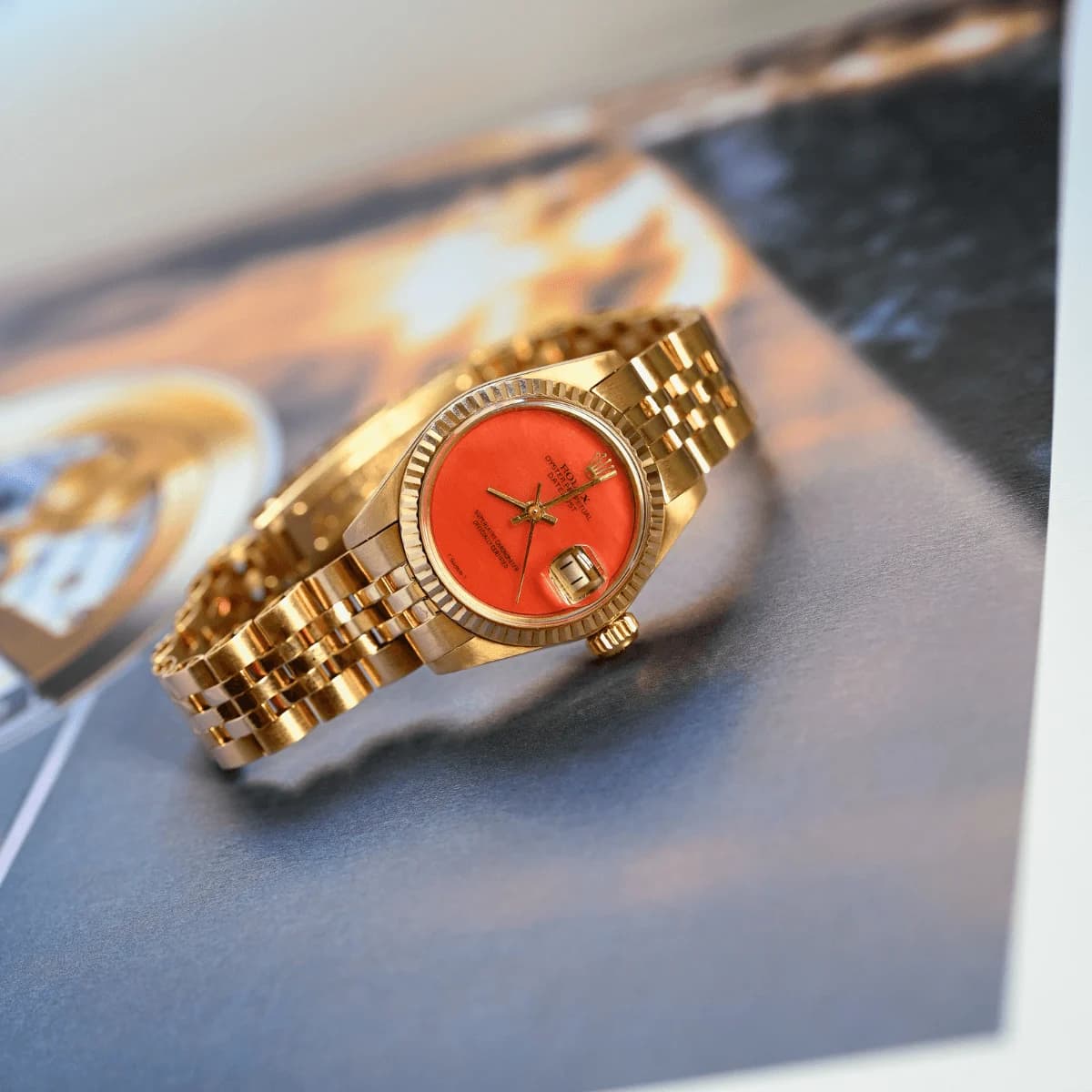
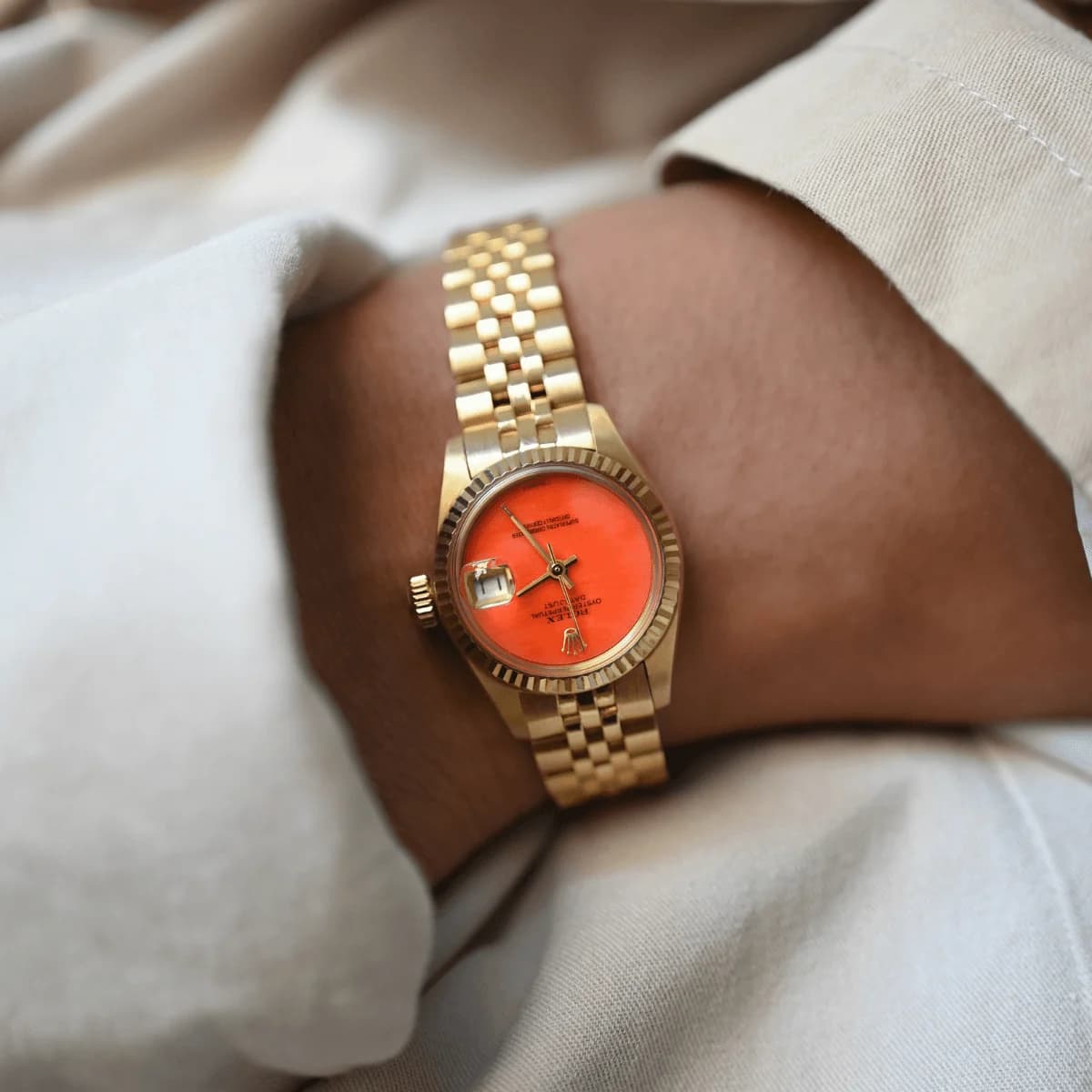
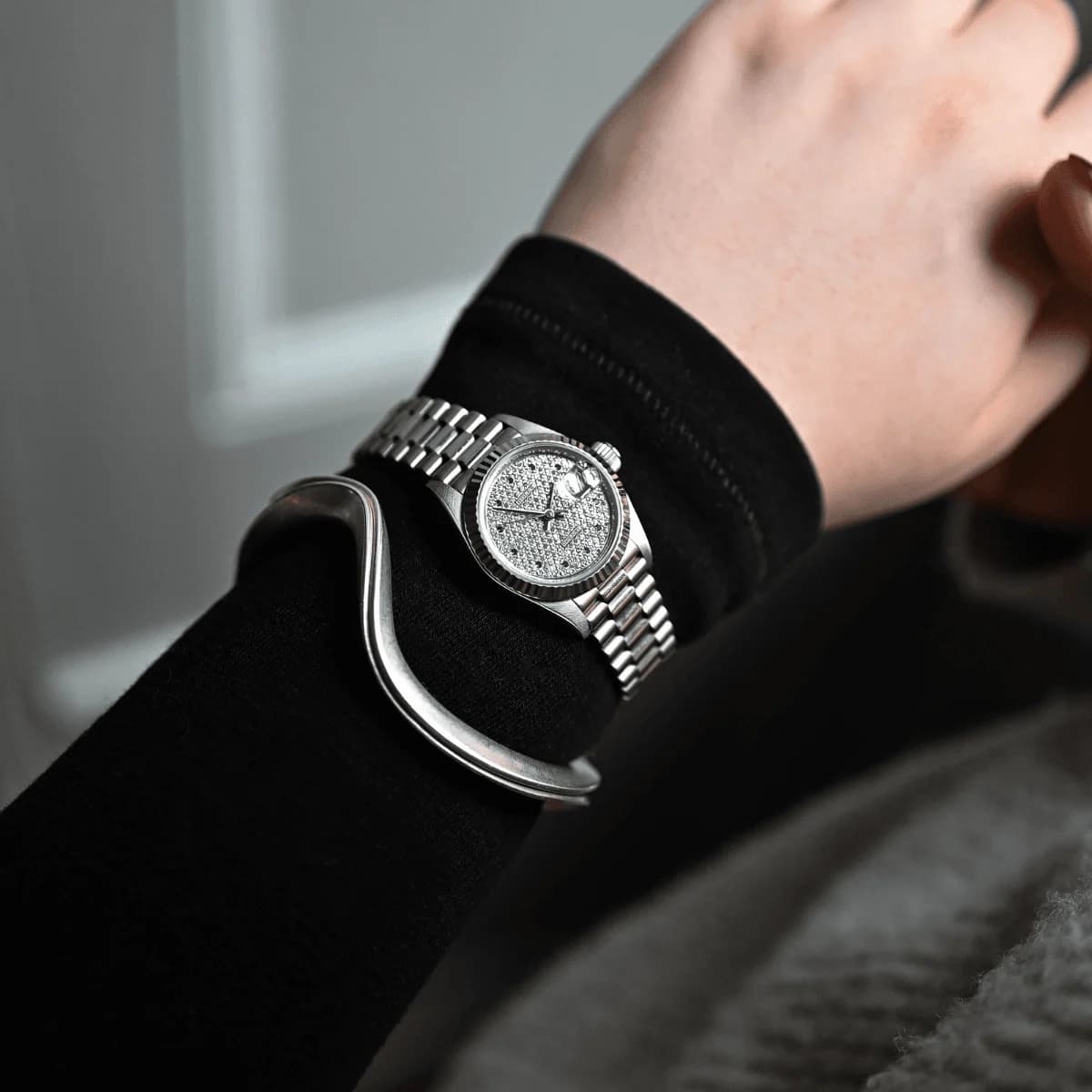
With this spirit in mind, Hans Wilsdorf, the founder of Rolex, introduced the Lady-Datejust in 1957. It was a watch that possessed all the attributes expected of a Rolex: waterproof, robust, and precise. Ahead of its time, it nevertheless retained an undeniable elegance through its 28 mm case size and its carefully crafted, often gem-set dials. Like other Rolex references, the Lady-Datejust proved equally at home in the city as it was in more demanding environments.
Hans Wilsdorf was always committed to supporting women's achievements. A notable example is his decision to accompany Mercedes Gleitze during her attempt to swim across the English Channel in 1927. The British swimmer wore a Rolex Oyster on her wrist to demonstrate the water resistance of what was then a revolutionary case design. Today, the model's ambassadors include record-breaking athletes, notably tennis players such as Chris Evert, Garbiñe Muguruza, Belinda Bencic, and Zheng Jie, as well as artists and explorers such as Sylvia Earle, the renowned American oceanographer and deep-sea explorer. Rolex has never sought to overlook the accomplishments of women; instead, it continues to accompany and celebrate their achievements.
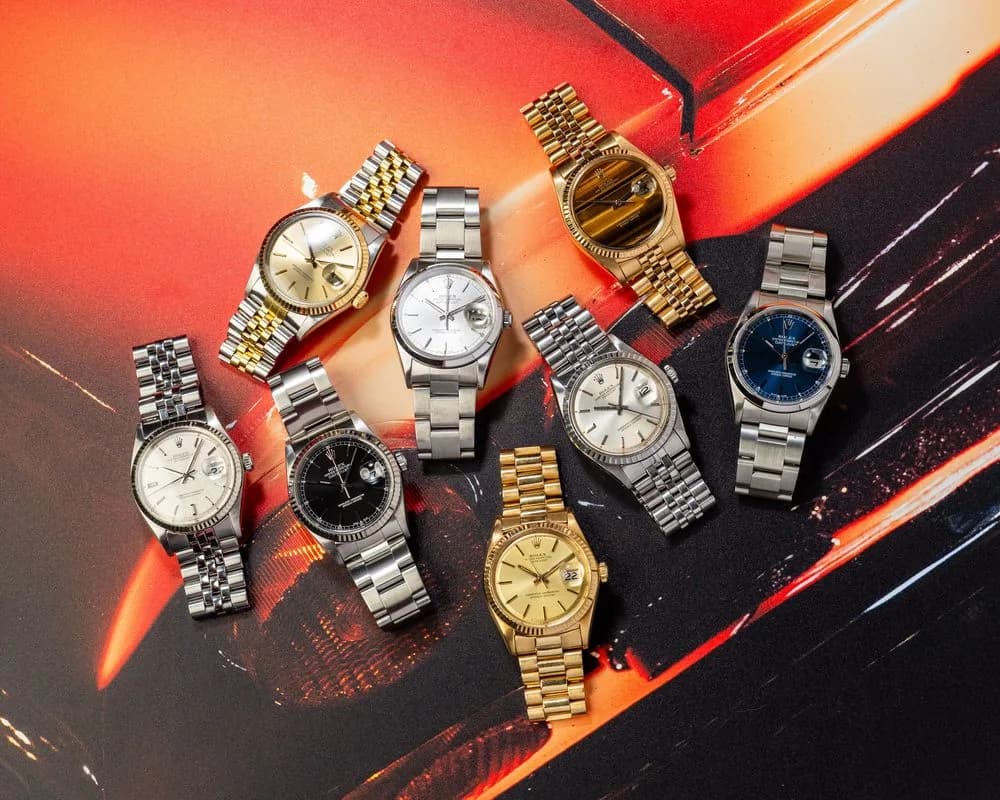
Beyond the Lady-Datejust, Rolex also appeals to female collectors by offering many of its iconic models in more compact sizes, particularly 31 mm and 36 mm, often paired with a wide variety of dials, precious-metal cases, and diamond-set bezels.
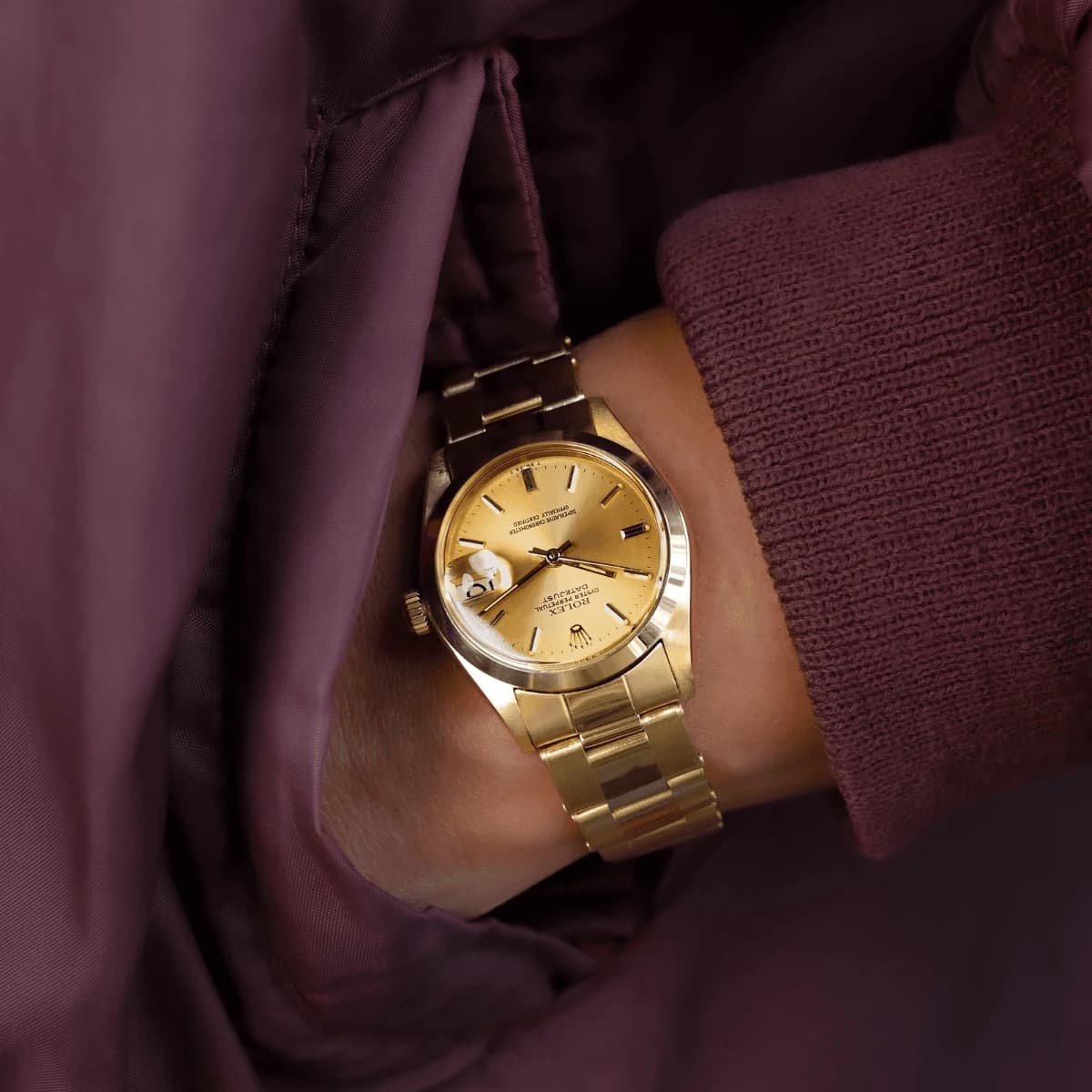
The Lady-Datejust is, however, only one chapter in Rolex's history of women's watches. From the 1950s and 1960s onward, the manufacture developed numerous references for a female clientele, ranging from Oyster Perpetual models to jewelry watches integrated into intricately crafted gold bracelets that were true works of jewelry. Some references, produced in limited quantities, stood out through their hardstone dials, gem-set bezels, or sculpted bracelets. At a time when many brands still regarded women's watches as simple accessories, Rolex applied the very same technical standards found in its larger models, equipping them with chronometer-certified mechanical movements and waterproof Oyster cases.
This philosophy remains unchanged today. The Oyster Perpetual, Datejust, and Day-Date collections are available in a variety of case sizes, allowing each wearer to choose the dimensions that suit them best. This evolution reflects a broader trend within contemporary watchmaking: case diameter is no longer truly a marker of gender, but rather a matter of style and personal preference. The Lady-Datejust nevertheless retains a special place in this story—a watch conceived from the outset for women and one that has become, over the decades, one of the most iconic references in women's watchmaking.
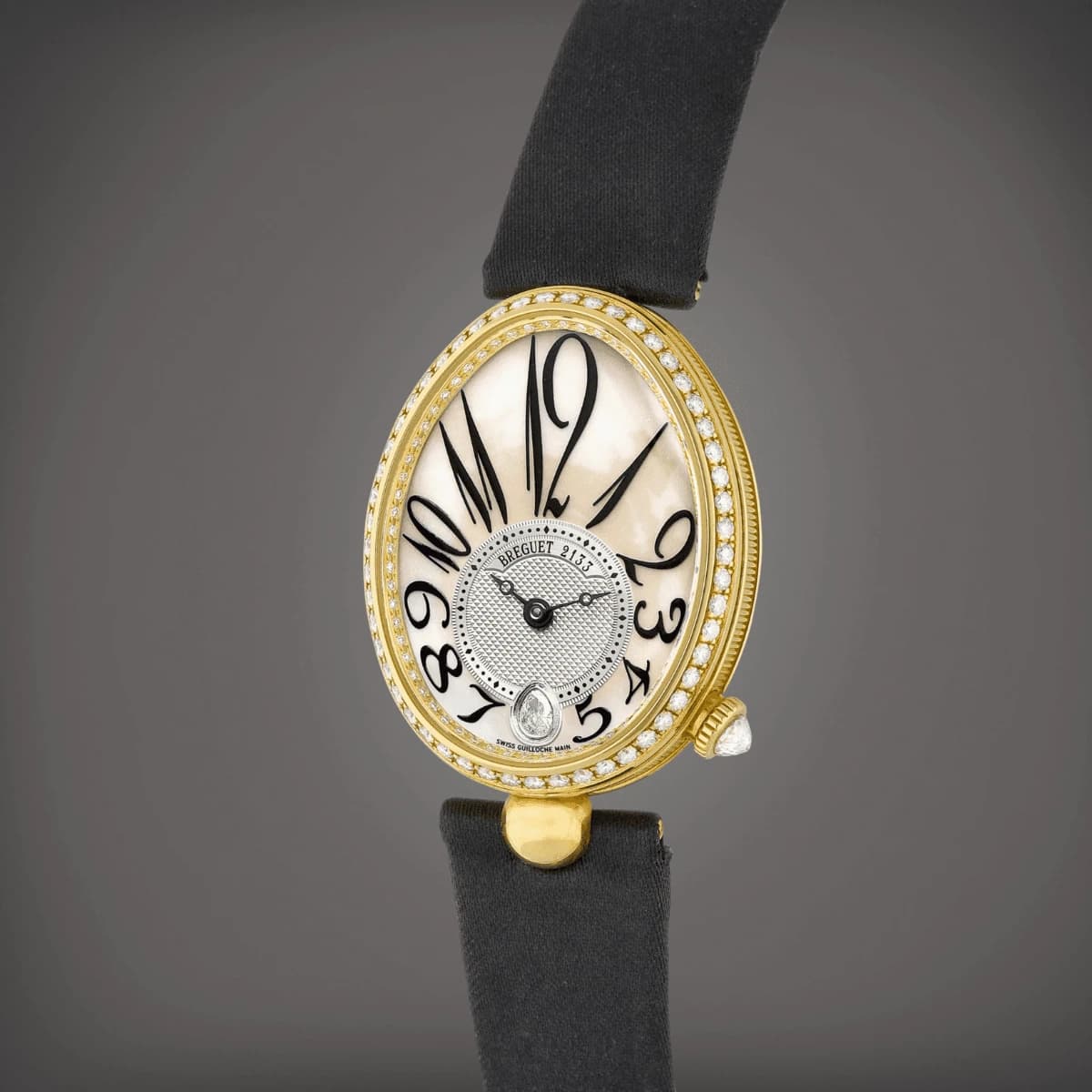
Breguet Reine de Naples: The Watchmaker of Monarchs
Breguet is one of the oldest watchmaking maisons in the world, having been founded in 1775 by Abraham-Louis Breguet, a watchmaker from Neuchâtel. The brand left an indelible mark on the history of horology through inventions such as the tourbillon and the perpetual calendar. Few watchmakers can claim to have been the watchmaker of kings, yet Breguet enjoyed the patronage of Emperor Napoleon Bonaparte and King Louis XVIII, while also counting numerous members of Europe's royal families among its clientele.
Queens were not forgotten, however. Abraham-Louis Breguet famously conceived what was then the most complicated watch in existence for Marie Antoinette. Among the maison's notable clients was Caroline Murat, the youngest sister of Napoleon Bonaparte, who became an avid collector and acquired more than thirty watches and clocks from Breguet. As Queen of Naples, she commissioned what is widely regarded as the first wristwatch in history in 1812.
The full genius of Breguet's watchmaking can be seen in this creation, whose design has endured through the centuries with remarkably little change: an elongated case fitted with a thermometer and worn on a bracelet woven from gold threads. Today, the maison has revived the iconic design under the name Reine de Naples in tribute to its original owner. The collection is offered in numerous variations, each more luxurious than the last, featuring diamond settings, oversized Arabic numerals, and a pear-shaped diamond positioned at the heart of the dial. These watches are crafted in a variety of precious metals and often paired with exotic stone dials.
Gerald Genta's Creations: The Nautilus and the Royal Oak
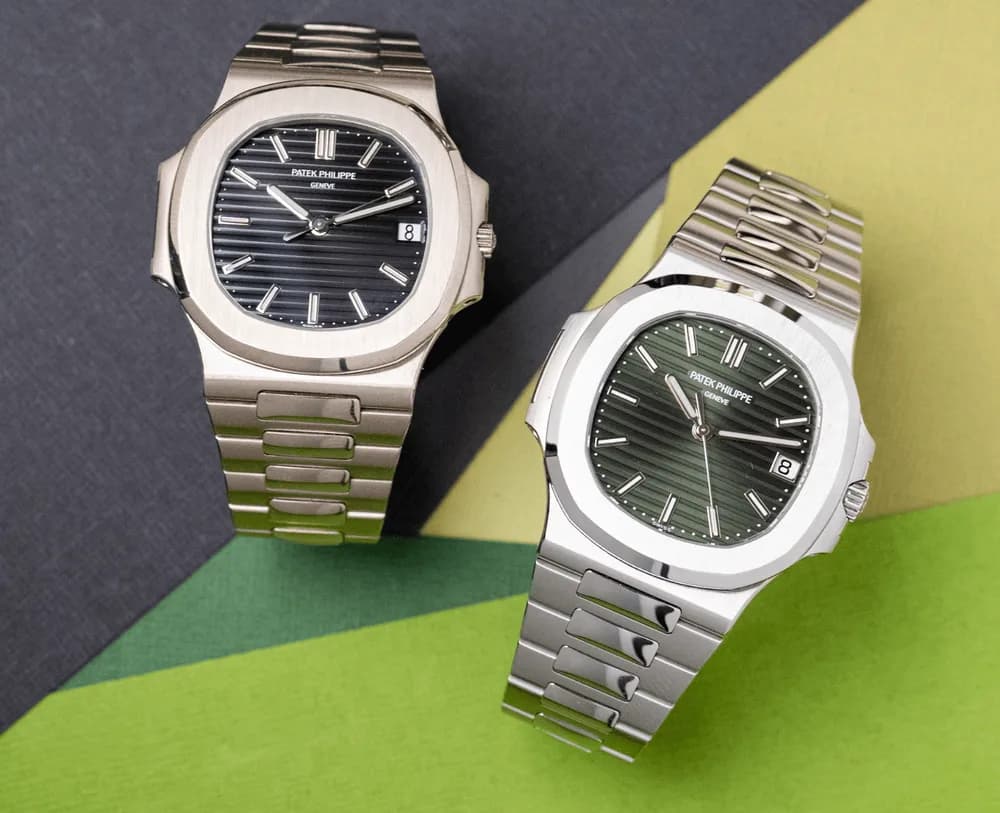
The Patek Philippe Nautilus and the Audemars Piguet Royal Oak are two integrated-bracelet steel sports watches that revolutionized their era and helped pull their respective brands out of the difficulties brought about by the Quartz Crisis. Both were designed by the brilliant and influential Swiss designer Gerald Genta, and today they remain among the most iconic and sought-after watches in the world. Building on the success of these models, both manufacturers quickly turned their attention to smaller versions designed for women.
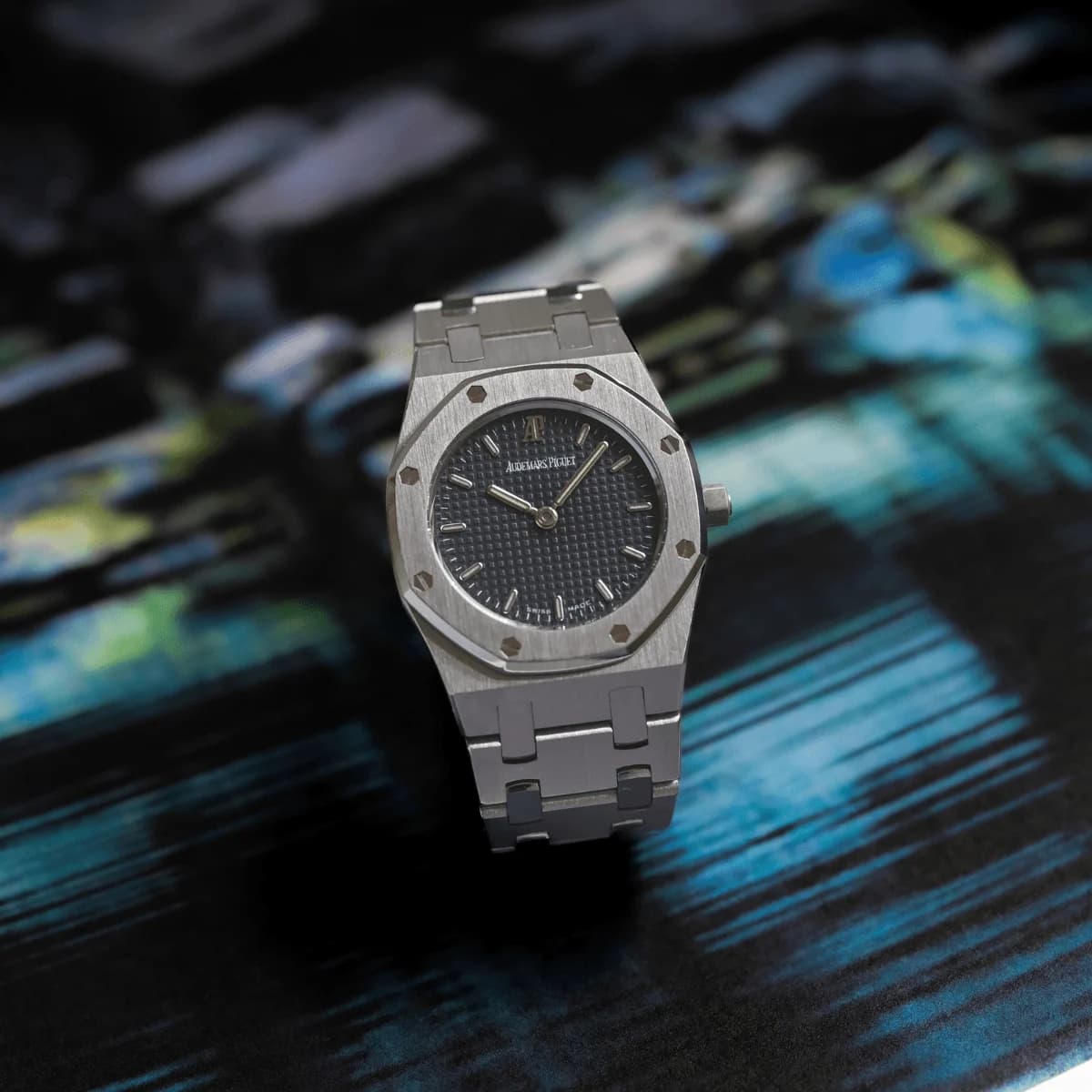
Royal Oak Lady: The Royal Oak in a More Compact Size
Audemars Piguet was the first to tackle the challenge, beginning work on the project as early as 1974. To do so, the manufacture relied on a key ally: designer Jacqueline Dimier, who took on the task of reinterpreting the Royal Oak while preserving the harmony of its proportions.
From a technical standpoint, the movement also posed a challenge due to the reduced dimensions of the watch. Audemars Piguet ultimately selected the calibre 2062, fitted with a 21-carat gold oscillating weight. Another distinctive feature of this feminine interpretation was the relocation of the AP logo to the 12 o'clock position in order to maintain the overall balance of the design. This layout would later be adopted on the final generations of the 5402 as well.
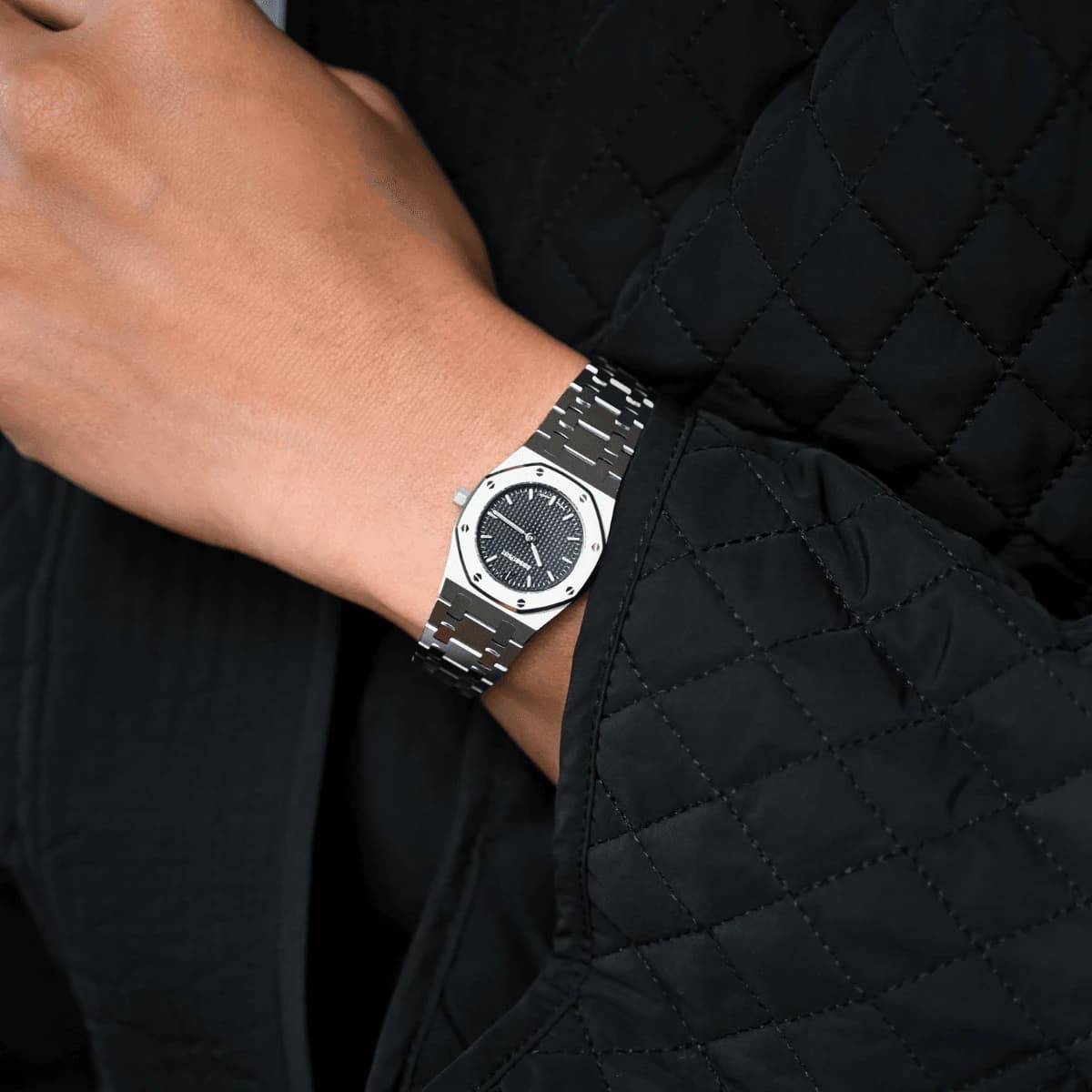
The reference 8638 was launched in 1976 and remained entirely faithful to the spirit of its predecessor while being perfectly suited to both female and male wrists. A year later, the model was introduced in precious-metal and two-tone versions.
The years that followed saw the arrival of numerous other Royal Oak Mini variations, including quartz-powered models and versions crafted from a variety of precious metals, with varying levels of gem-setting. Many celebrities embraced the model, perhaps most notably Serena Williams, the record-breaking tennis champion and long-time ambassador of the brand.
Nautilus Lady: A Different Take on the Sports Watch
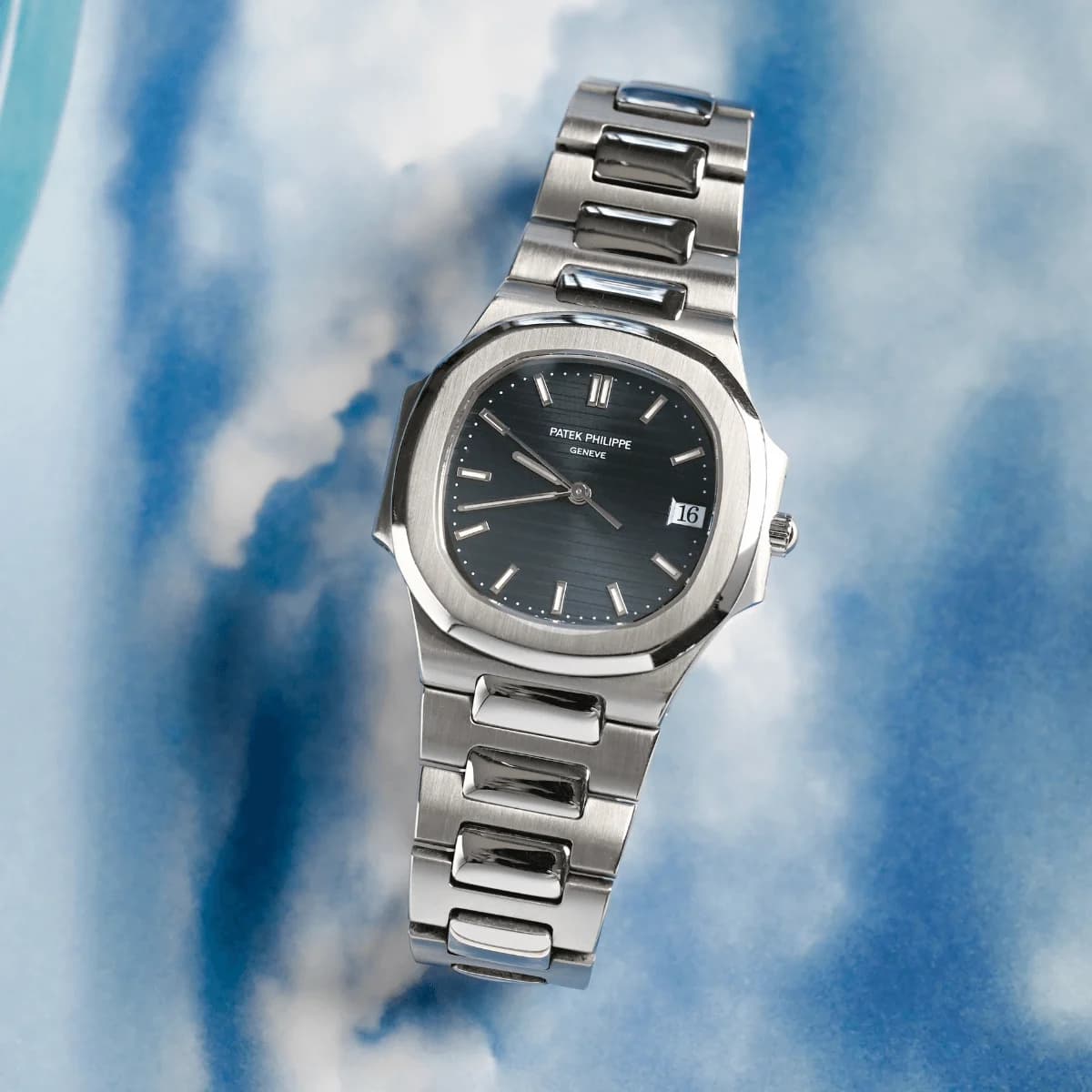
At the same time as the development of the Royal Oak, Patek Philippe was working on smaller versions of the Nautilus. In 1981, the manufacture introduced two new references: the 3800, measuring 37.5 mm, which also marked the adoption of the in-house calibre 335 SC, and the 3900, featuring a more compact 33 mm case.
Both models retained the original Nautilus design while introducing a central seconds hand, adding a new level of practicality to one of watchmaking's most iconic sports watches.
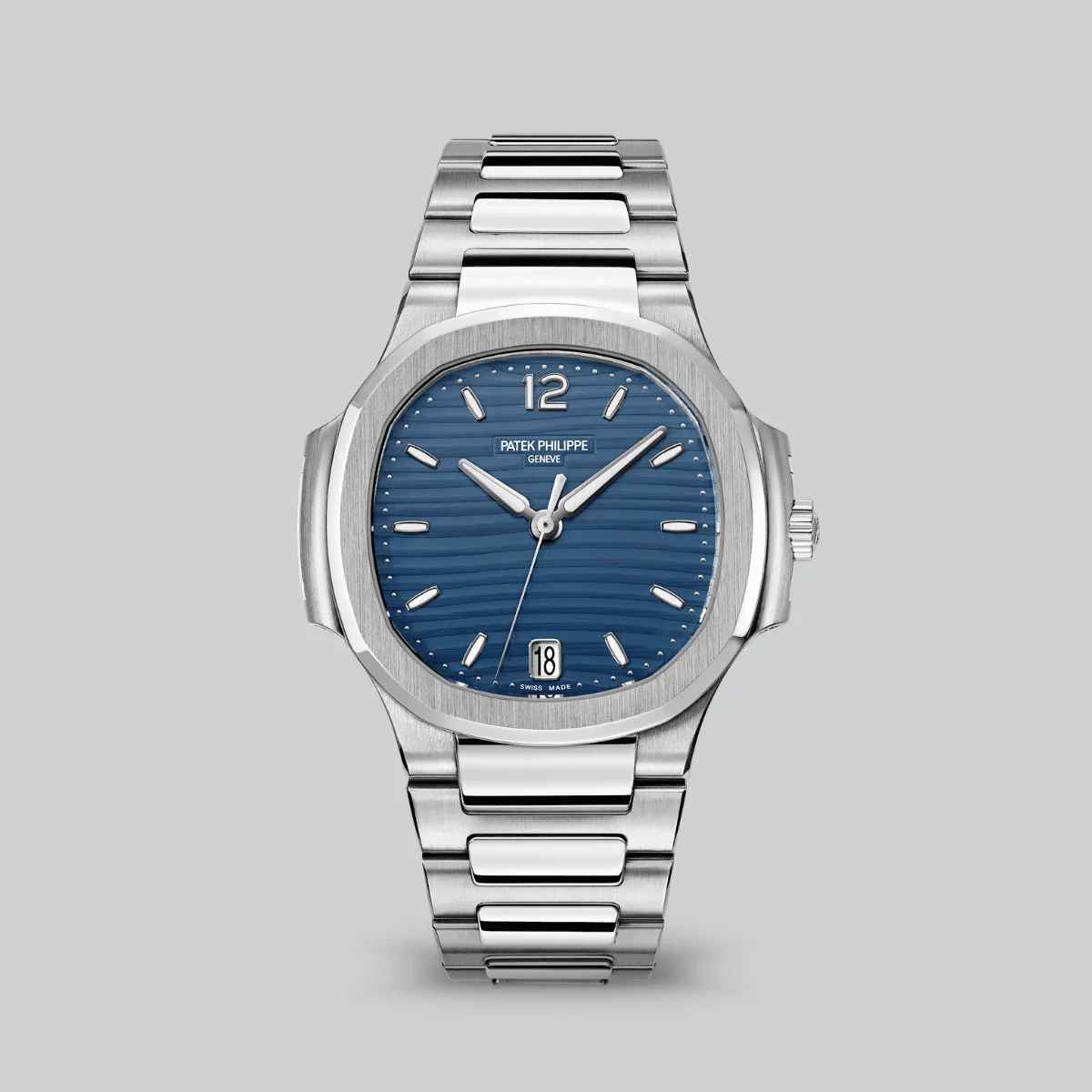
The Nautilus was offered in several quartz-powered ladies' versions throughout the 1990s and 2000s. Today, the reference 7118 stands as the definitive Nautilus Lady. It is distinguished by a dial featuring irregular embossed patterns reminiscent of waves, as well as elegant leaf-shaped hands.
The Nautilus is regularly seen on the wrist of Zendaya, as well as rapper Cardi B and DJ Peggy Gou. Victoria Beckham, along with Georgina Rodríguez and Antonela Roccuzzo—the partners of football superstars Cristiano Ronaldo and Lionel Messi—have also all been seen wearing Nautilus models.
What Is the Future of "Lady" Models?
These five watches represent only a small selection of the iconic timepieces that have shaped the history of women's watchmaking. Brands have long known how to appeal to this clientele, placing elegant, sophisticated, and sometimes provocative creations on their wrists—timepieces that often blur the line between watchmaking and jewelry. While men have traditionally gravitated toward more conventional designs, women's watches have often provided a refreshing outlet for creativity.
Today, society is moving beyond traditional gender boundaries, and the distinction between what is considered a men's watch and a women's watch has become increasingly blurred. At the same time, the growing preference for smaller case sizes has encouraged many men to explore traditionally feminine references and wear them proudly. Ultimately, when a design is successful—when it becomes truly iconic—the gender associated with a watch matters very little.