Reissues of historic watch models are not always commercially successful. Unlike some others, however, Vacheron Constantin seems to have a distinct advantage...
Vacheron Constantin: Between Tradition and Modernity
Vacheron Constantin is undoubtedly the oldest continuously operating luxury watch manufacturer, with a history dating back to 1755. Its history has been remarkably consistent: the Vacheron company was renamed Vacheron & Constantin in 1819 following the partnership with François Constantin, and remained under the leadership of successive heirs until 1987, when it was acquired by Sheikh Ahmed Zaki Yamani, before eventually joining the Richemont Group in 1996.
The Swiss manufacturer, whose production remains relatively limited at around 20,000 watches per year, can lay claim to an impressive number of significant watchmaking innovations and achievements. These include the creation of its first complication in 1790, a Grande Complication pocket watch for King Fouad of Egypt in 1929, the world's thinnest minute repeater in 1992, and, more recently, the creation in 1996, under the Richemont umbrella, of what was then the most complicated mechanical watch ever made.
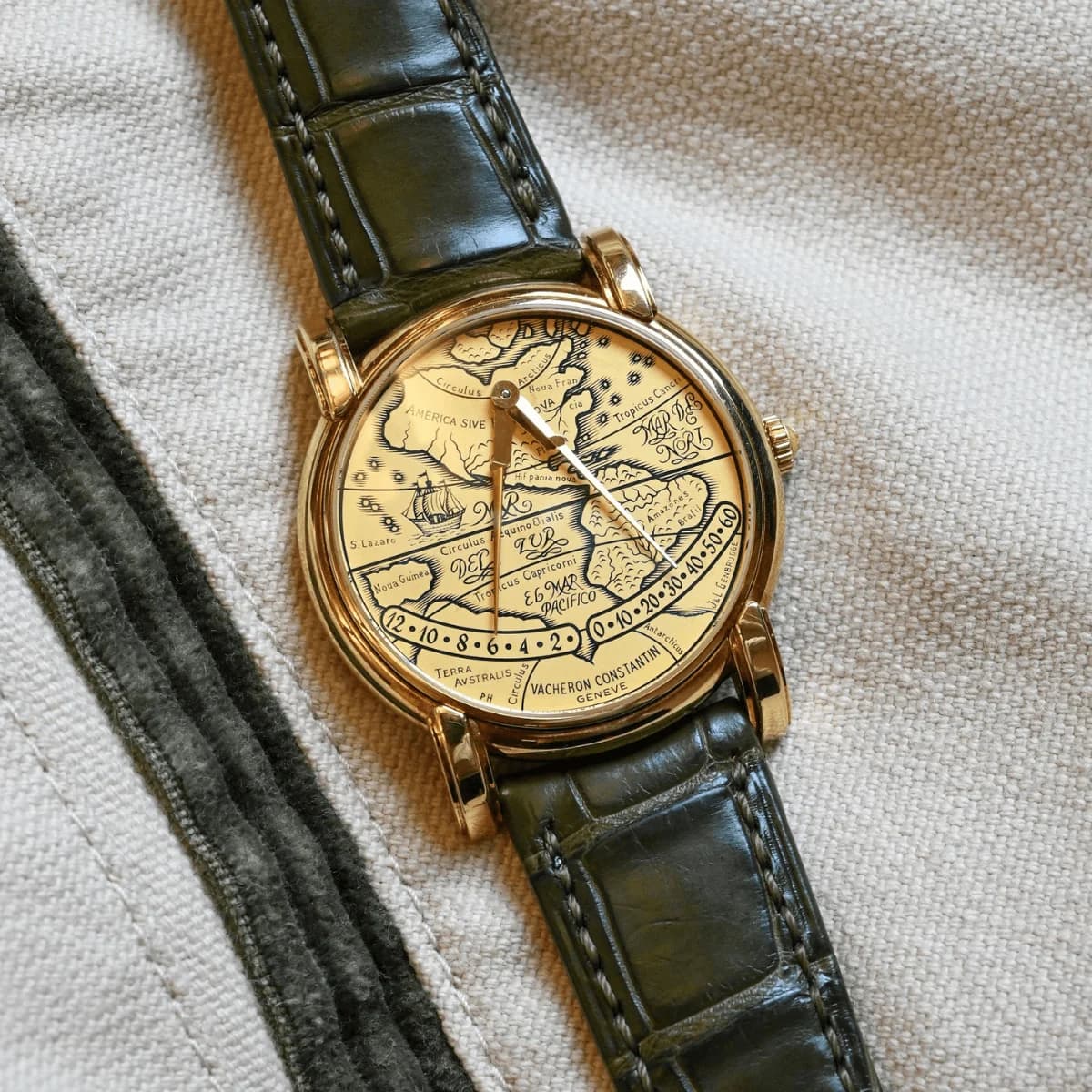
With more than 270 years of history, the manufacture has continued to evolve its collections, from established lines such as Historiques, Malte, Overseas and Patrimony to the more artistic creations of the Métiers d'Art collection. The latter celebrates traditional craftsmanship, including enamelling, an art in which Vacheron Constantin has excelled for many years.
The Original 222
The original 222 was launched in 1977 to celebrate the 222nd anniversary of the manufacture, which had been operating continuously since its foundation. Despite its relatively limited production of around 700 pieces over seven years, in steel, steel and gold, yellow gold and white gold, this reference has become a legend. Initially designed with a 37 mm case, considered "Jumbo" at the time, it was subsequently offered in a smaller 34 mm version.
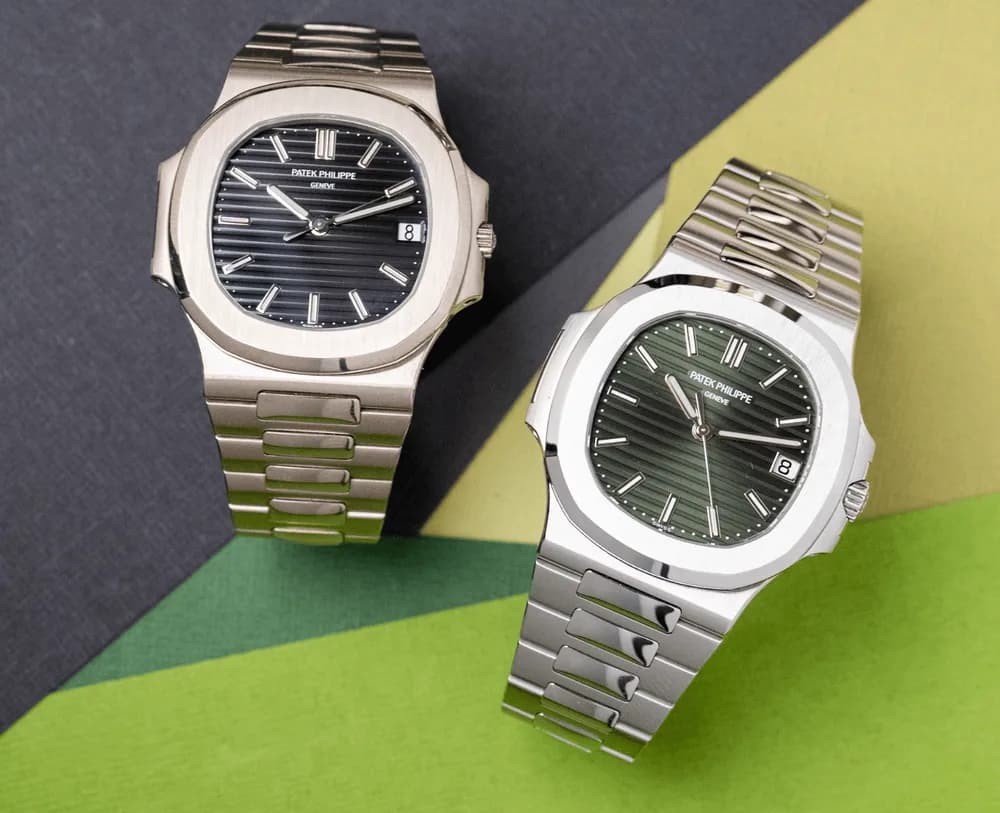
The 222 was Vacheron Constantin's response to the trend initiated by Audemars Piguet in 1972 with the launch of its Royal Oak reference 5402, designed by Gérald Genta. Patek Philippe followed with the Nautilus in 1976, while IWC introduced its Ingenieur collection. These models helped establish a new category of luxury sports watches, predominantly crafted in stainless steel.
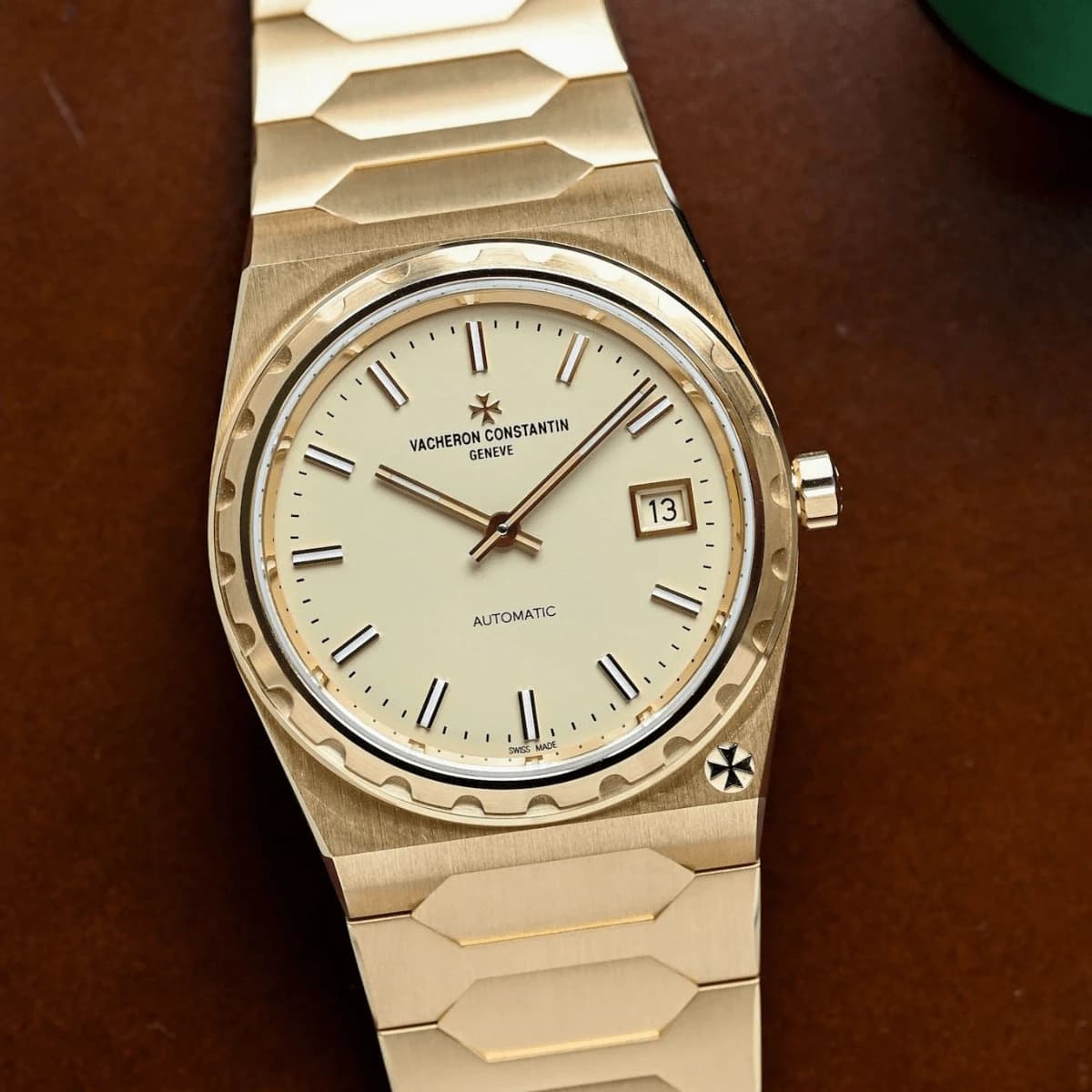
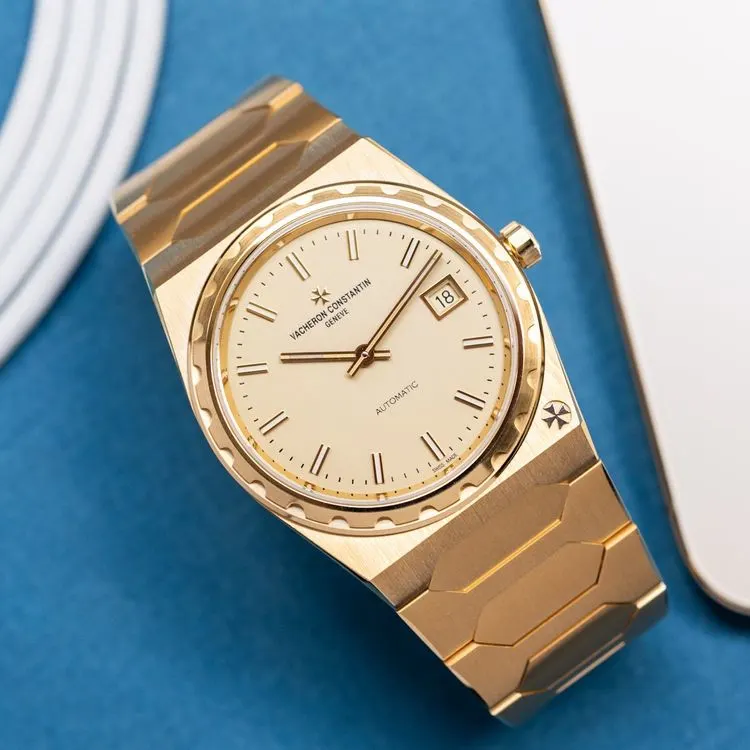
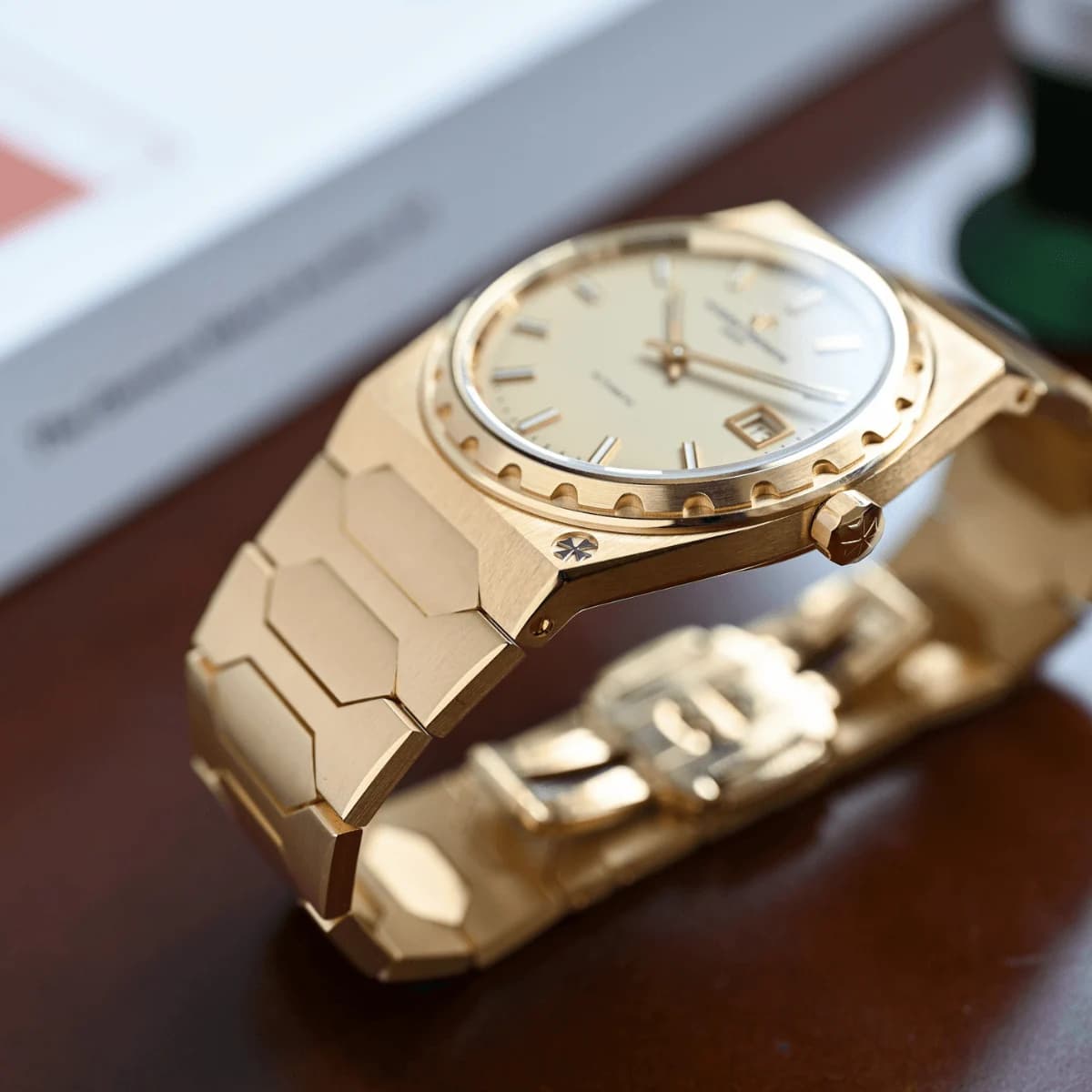
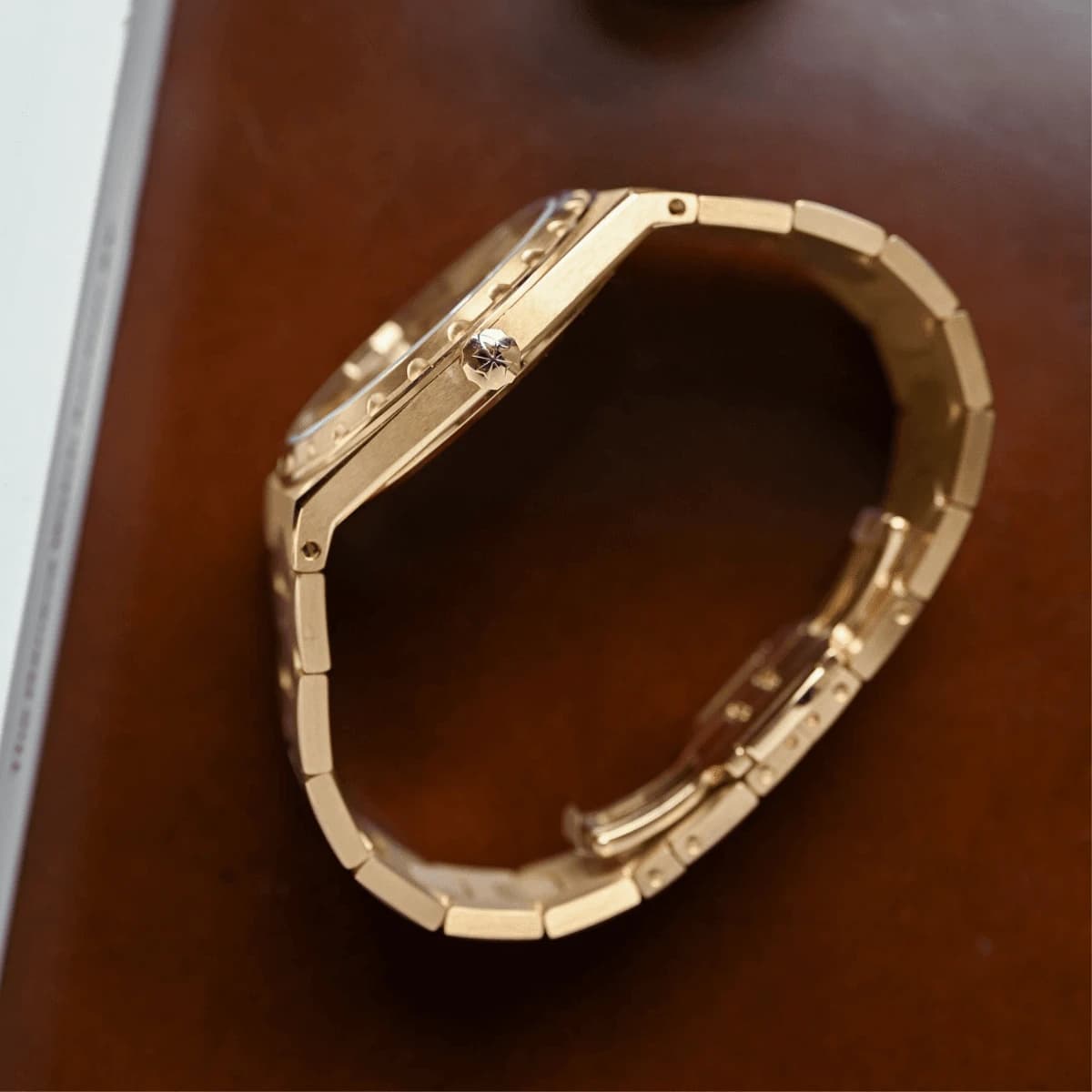
The 222 is instantly recognisable thanks to its flat case profile, highly distinctive notched bezel and practical integrated bracelet with large links, not to mention the Maltese cross positioned at 5 o'clock on the case, adding a particularly elegant touch.
At the time, Vacheron Constantin turned to the young designer Jörg Hysek, who would also go on to design the Breguet Marine, the TAG Heuer Kirium and the Tiffany & Co. Streamerica.
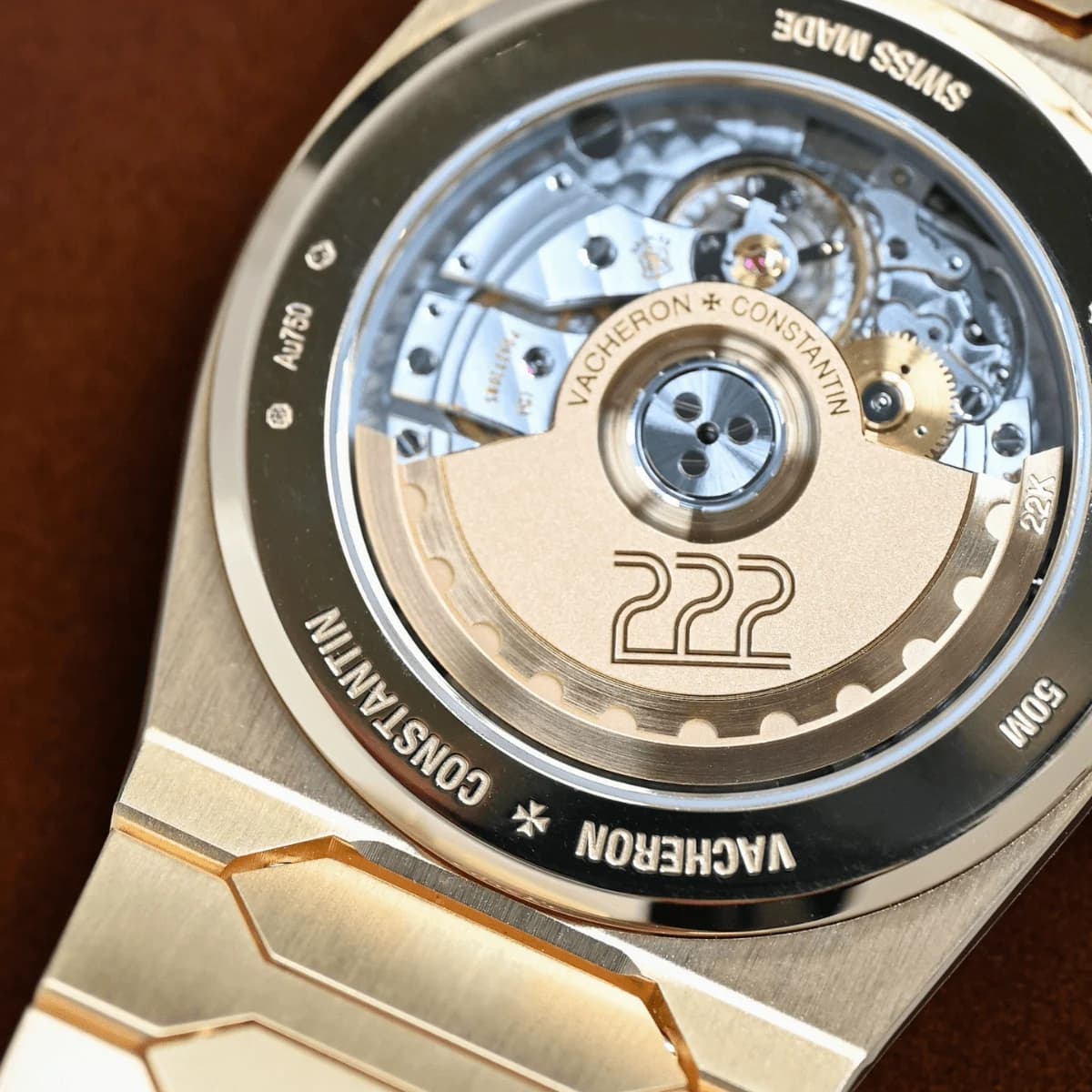
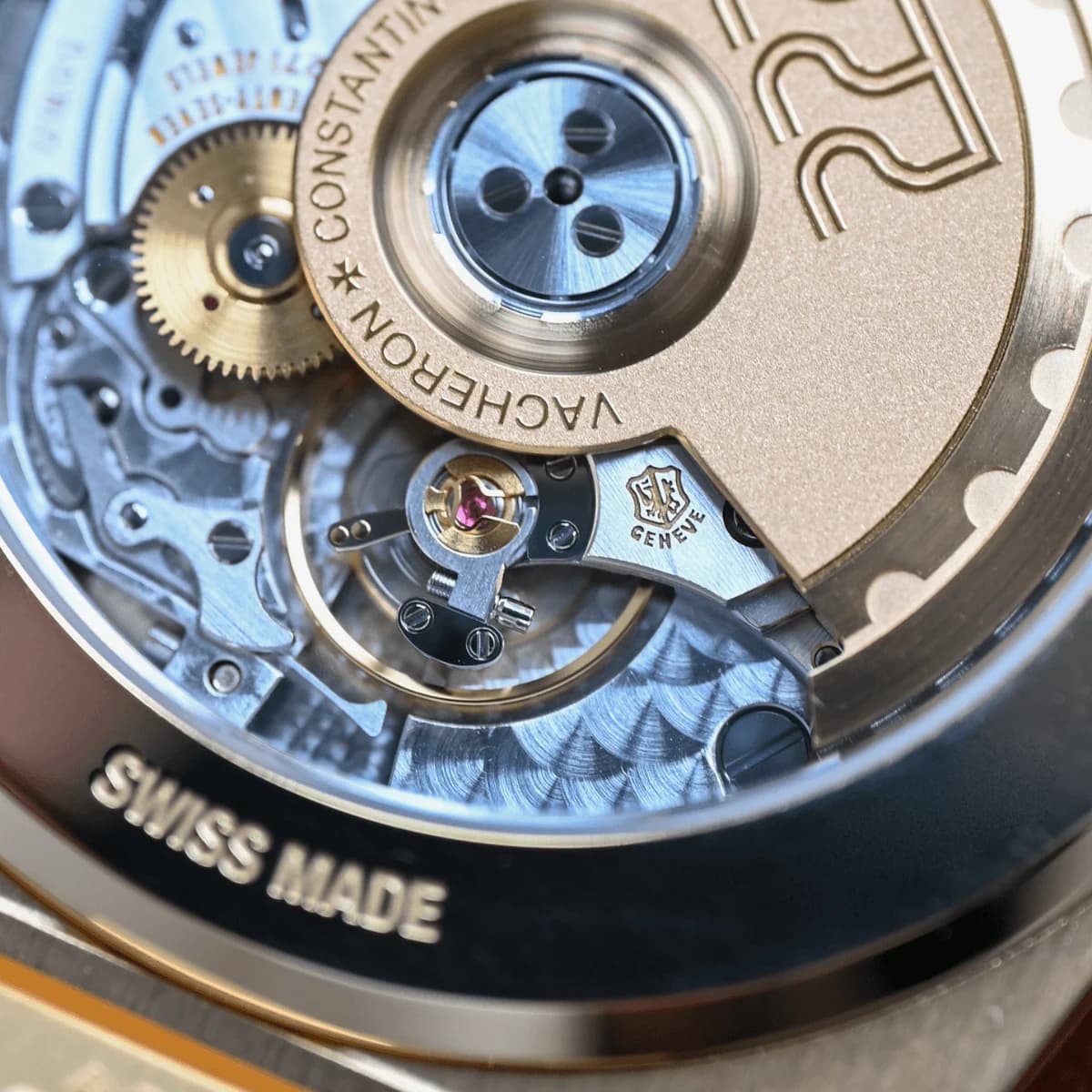
On the mechanical side, the 1970s 222 was powered by an ultra-thin automatic movement based on the Jaeger-LeCoultre calibre 920, produced since the 1960s.
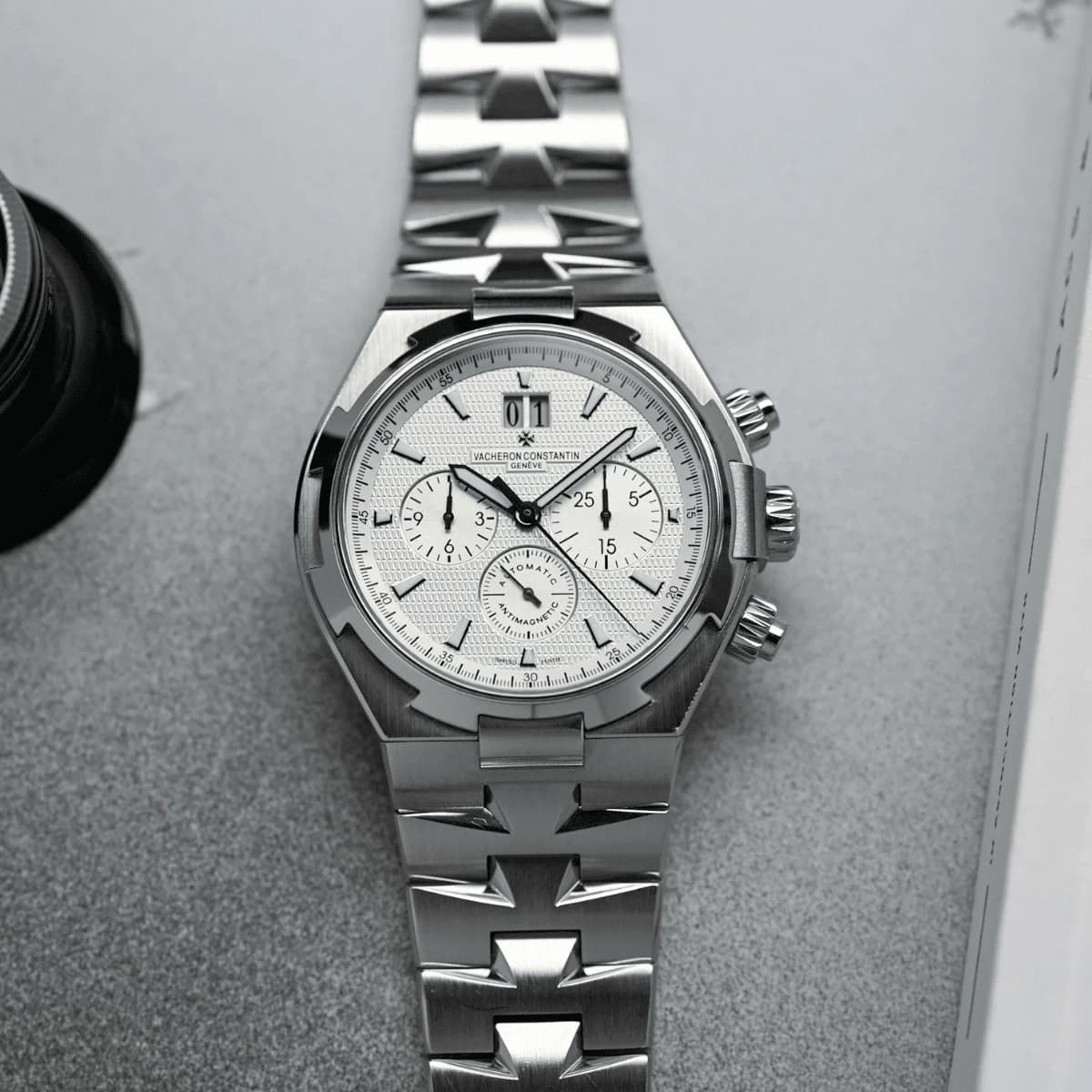
It is often overlooked that the 222 was, without question, the predecessor of the Overseas, launched in 1996 as the flagship of Vacheron Constantin's sports watch collection.
The weight of the gold is naturally noticeable on the wrist, although never uncomfortable, thanks in large part to the watch's slim 7.95 mm profile.
The quality of the brushed finishing and the very understated, matte appearance of the yellow gold are particularly successful. In my opinion, the watch is simply stunning.
A special mention goes to the clasp, which is both practical and beautifully finished. It is, however, a shame that the supplied half-link has not been replaced by a more precise adjustment system, as is now found on the latest Nautilus models.
The overall impression is that of an exceptionally well-finished watch, perfectly combining the character of the historic model with modern finishing techniques. We were particularly impressed by the bracelet's articulation, which makes it extremely comfortable on the wrist.
From an aesthetic perspective, one must naturally appreciate gold watches to fully enjoy the 222. That said, the yellow gold finishing is remarkably refined and anything but ostentatious. This is a watch with a sporty yet particularly elegant character.
Not everyone is a fan of historic watch reissues, which often attract their fair share of criticism. In this particular case, however, the subtle modern updates and remarkable faithfulness to the original design are especially welcome.
Most importantly, the historic proportions have been preserved and remain entirely relevant today. The 37 mm diameter is by no means too small for an average-sized wrist, or even a larger one, while also being perfectly suited to smaller wrists.
We were particularly impressed by the quality of the finishing, which firmly places Vacheron Constantin among the very best, exactly where it belongs.
For us, the 222 is an excellent alternative to the Nautilus and Royal Oak, with more than enough character to stand on its own.