NB : Même si nous ne comparerons pas côte à côte tous les éléments des deux références, nous vous donnerons les aspects clés différenciant et notre ressenti général, éventuellement pour vous guider dans votre future acquisition.
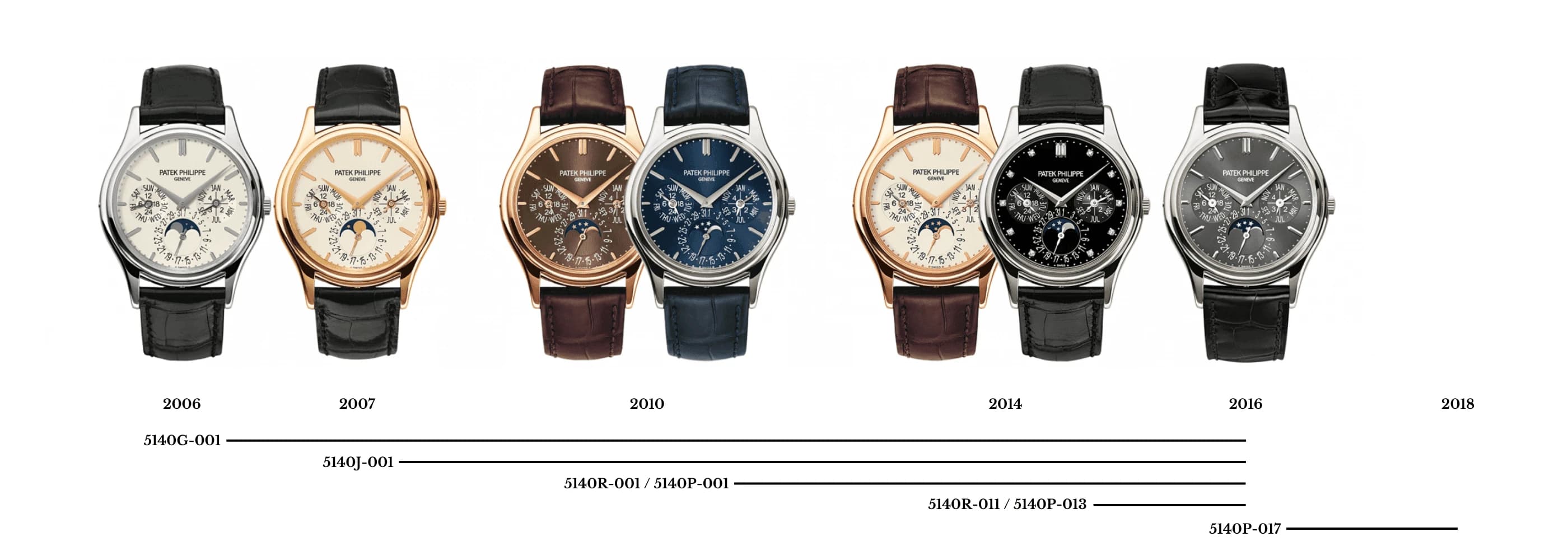
As for the reference 5140, it was introduced in 2006 as the natural successor to the 3940, reflecting evolving market trends.
At the time, the 5140 was only available in white gold. The yellow gold version was introduced a year later, while rose gold and platinum versions did not appear until 2010.
The white and yellow gold models featured opaline dials, the rose gold version came with a brown dial, and the platinum model was fitted with a stunning blue dial.
It was not until 2014 that an opaline dial was offered on the rose gold version, alongside a black dial with diamond hour markers for the platinum model.
Interestingly, the anthracite grey dial paired with a platinum case was introduced two years later, in 2016, the same year as the launch of its successor, the reference 5327. Nevertheless, this version remained in production until 2018, making it the only 5140 configuration still produced during that period and the rarest of the collection.
The 5140 was Patek Philippe's response to growing demand for larger cases and a shift towards more modern designs. While I understand and share the nostalgia for the smaller case of the 3940, some clients were looking for larger dial inscriptions to improve legibility.
The Key Differences Between the 3940 and 5140
Case Differences: 3940 vs 5140
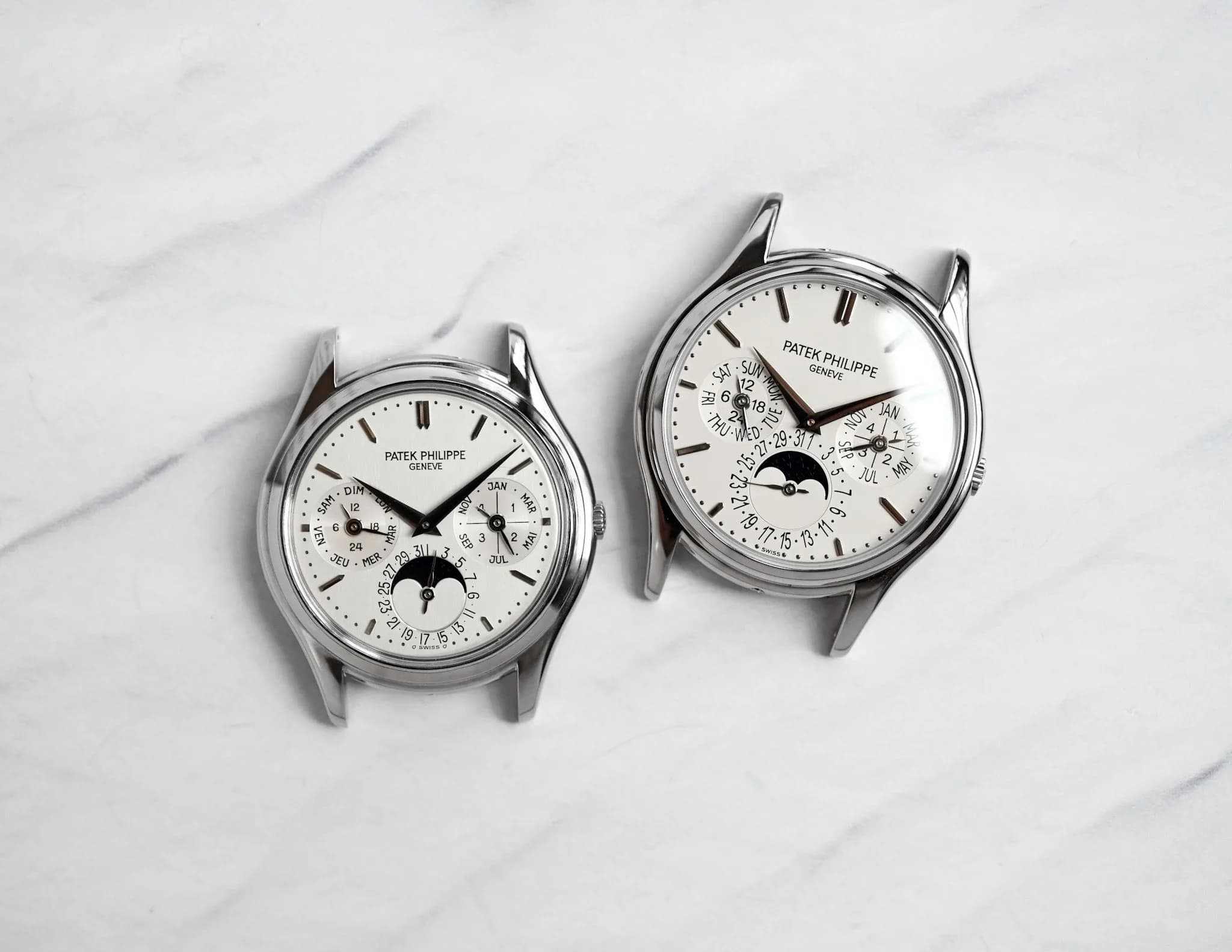
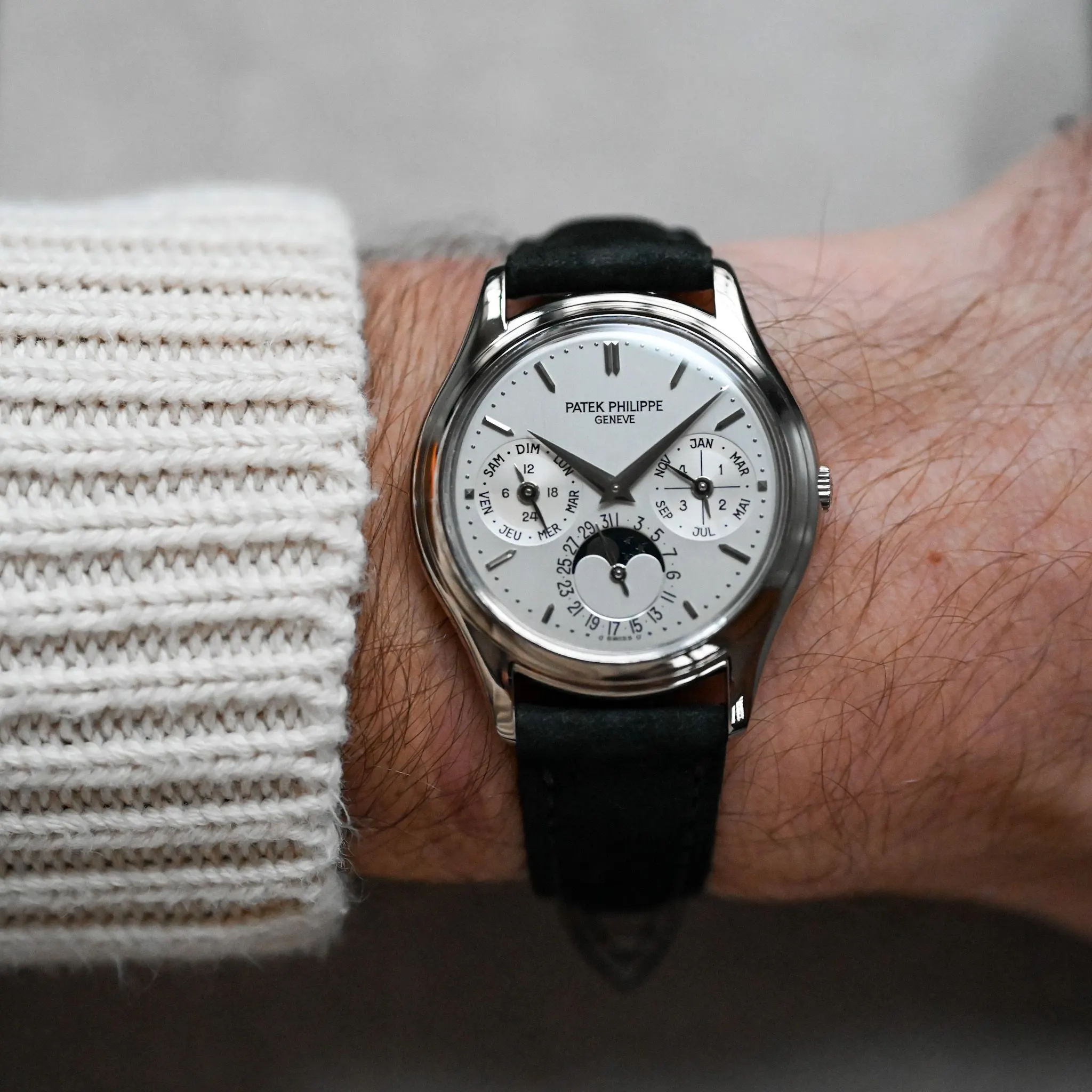
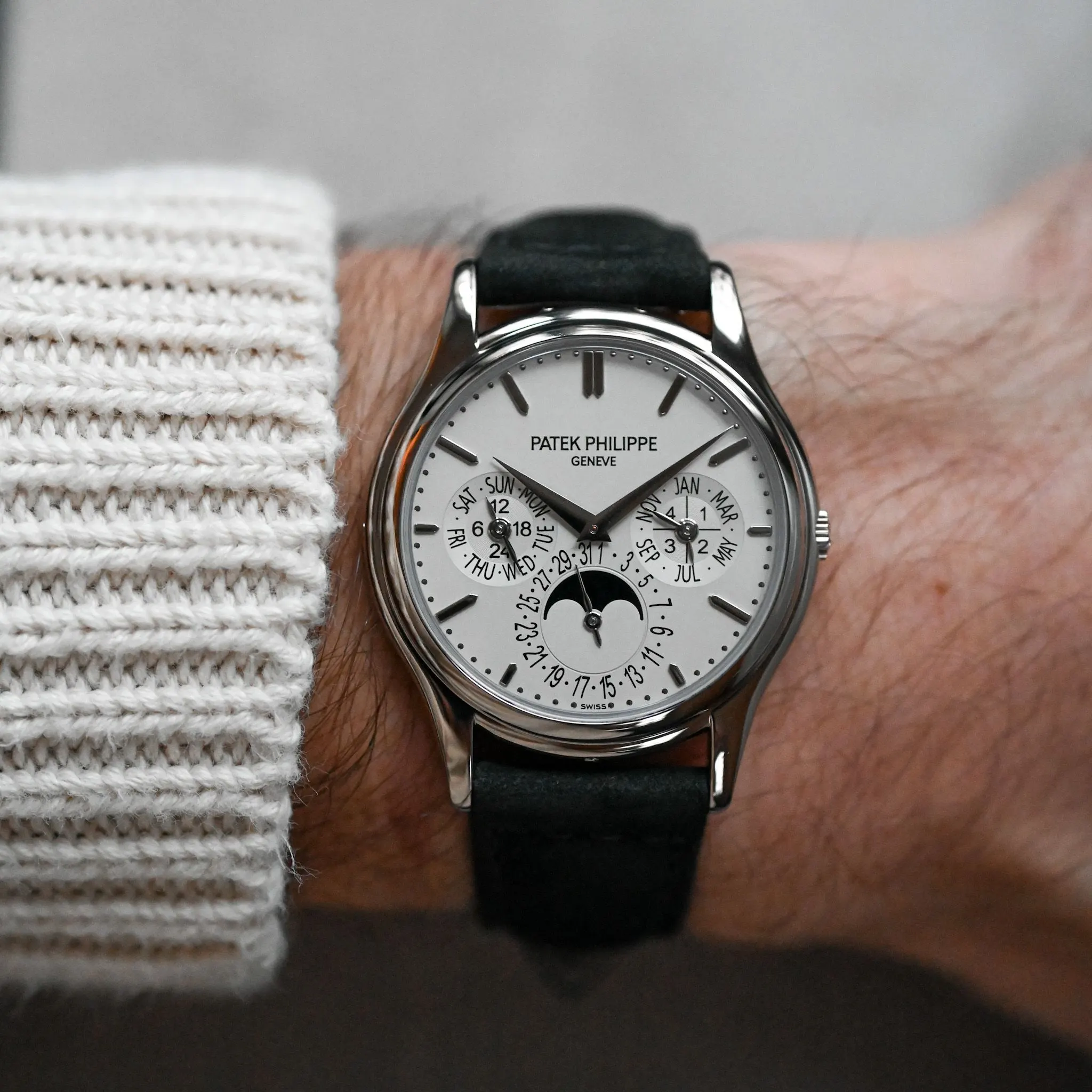
The 3940 features a 36 mm round case with a concave bezel. While the 5140 retains the same overall case shape, it measures 37.2 mm and features a convex bezel, creating subtly different reflections. Both models are beautifully proportioned and sit comfortably on the wrist.
Dial Variations: 3940 vs 5140
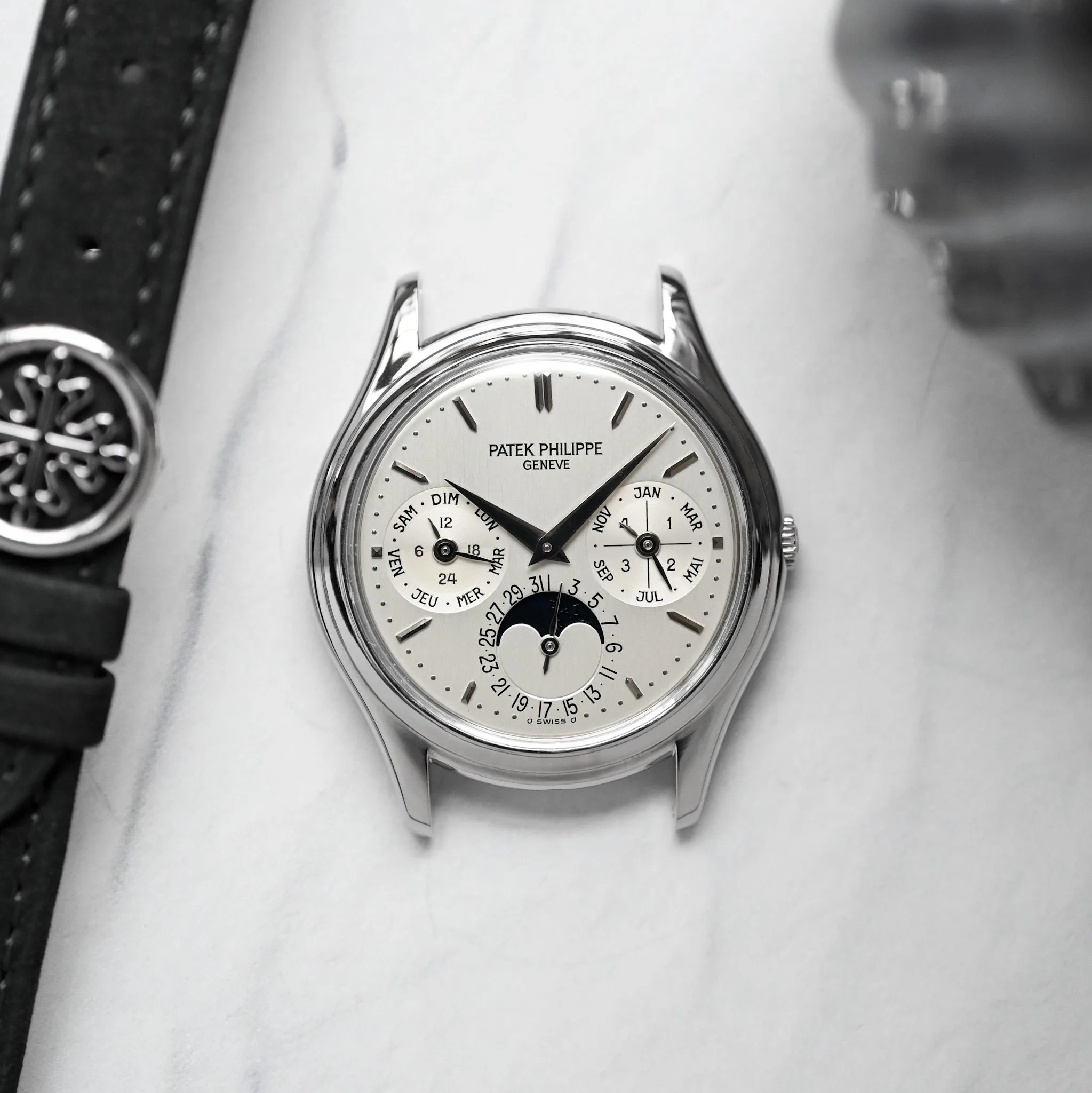
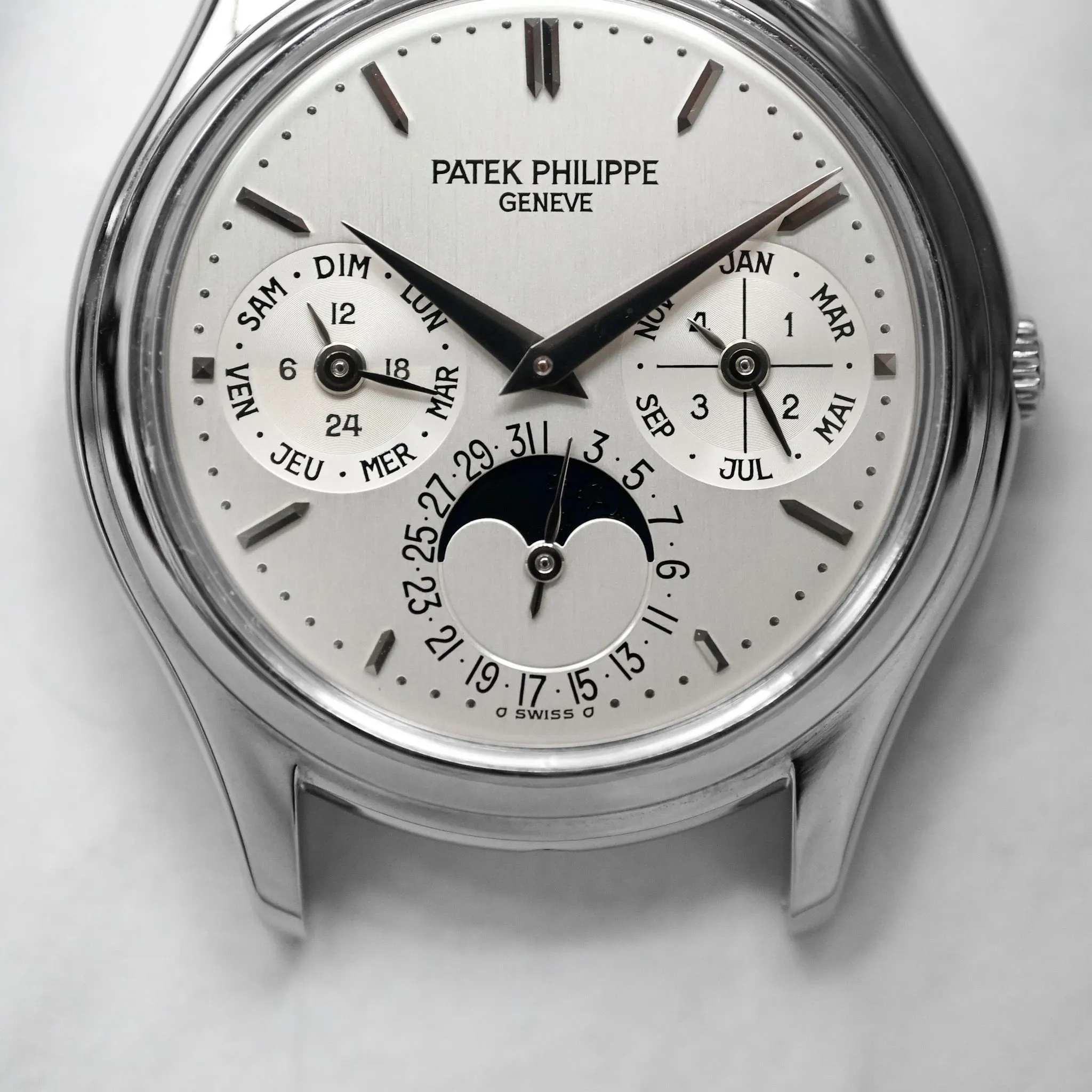
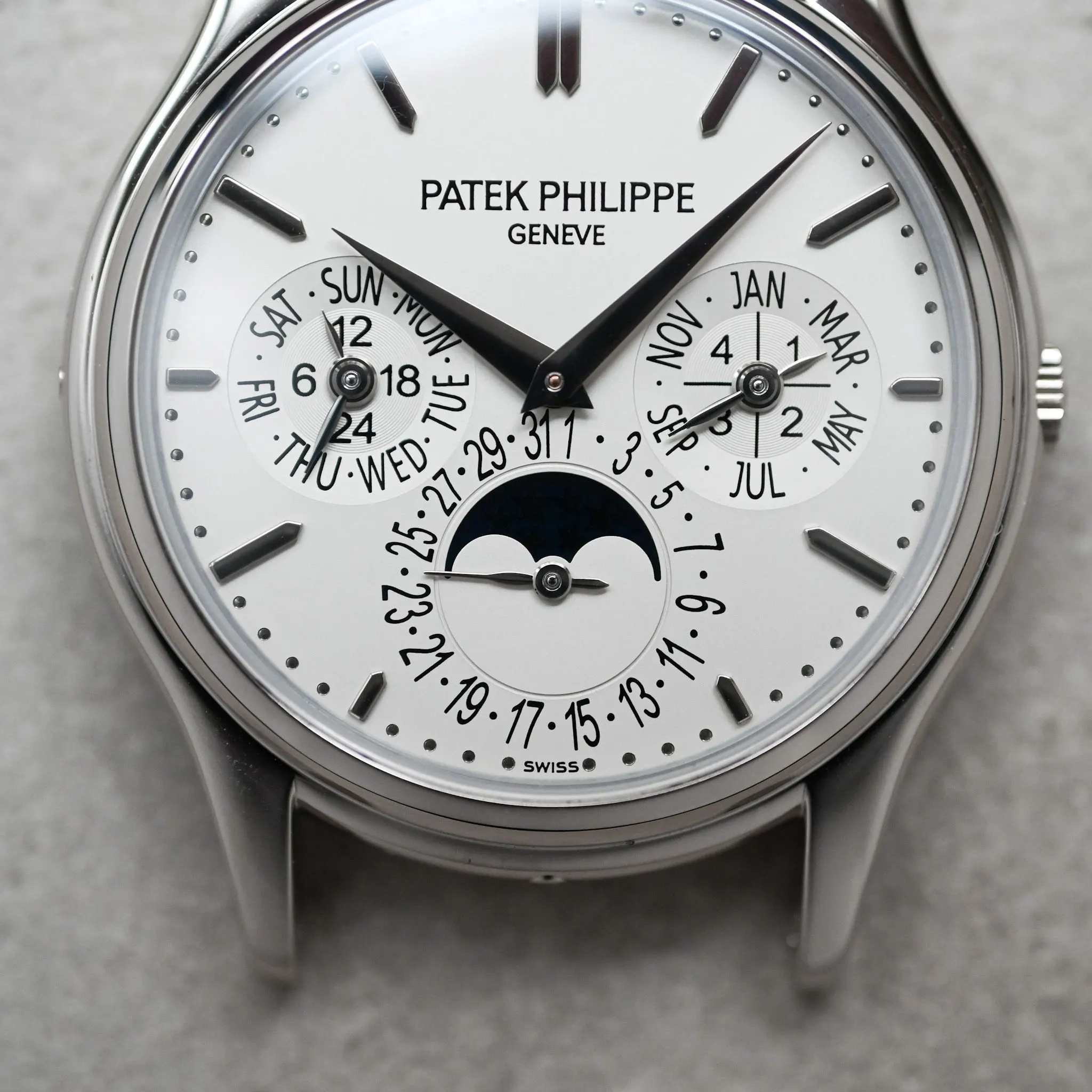
As mentioned earlier, several dial variations appeared throughout the production of the 3940. All share relatively small lettering, giving them a particularly appealing vintage character. The serif typography of the early series feels distinctly more traditional, while the final series adopted a more modern, sans-serif typeface.
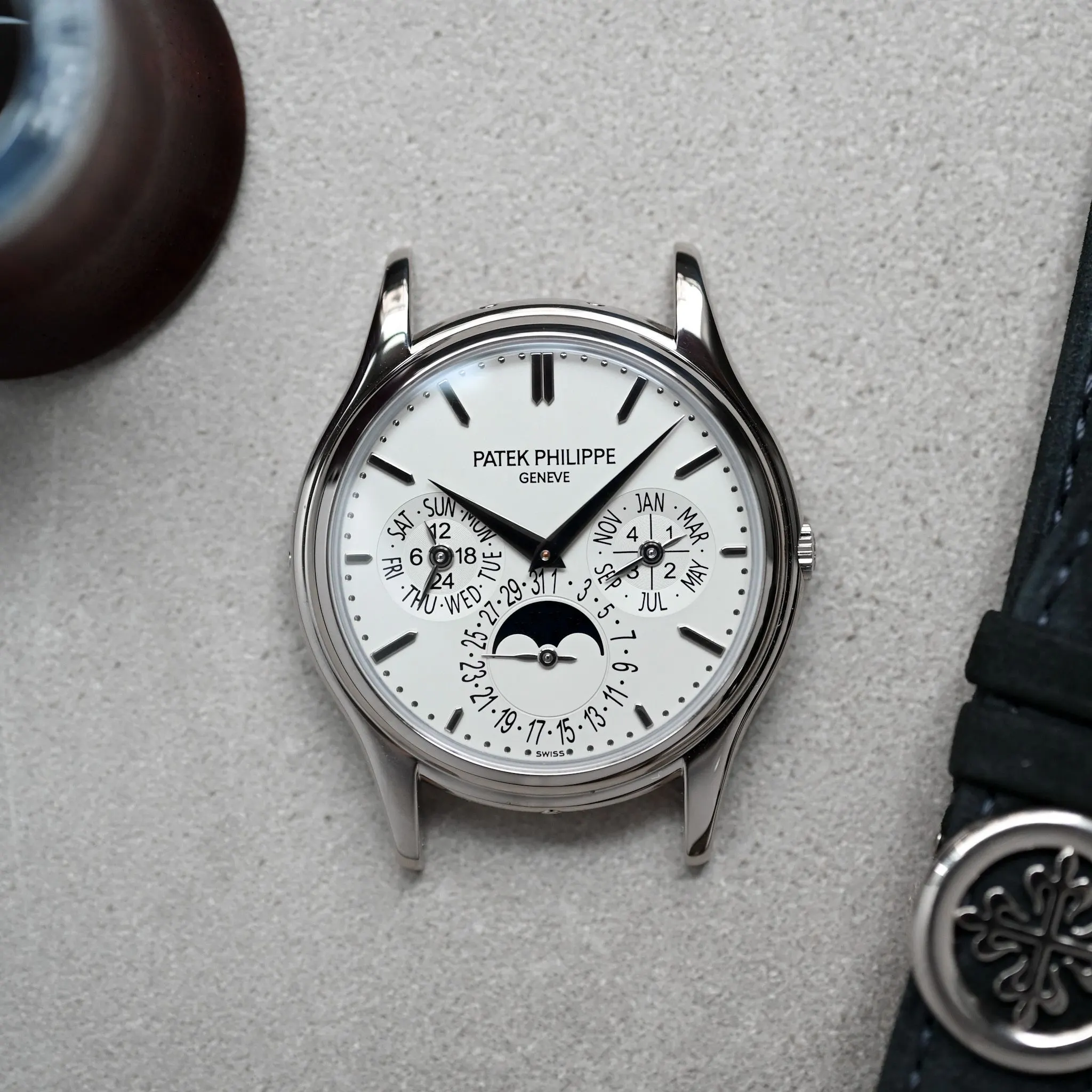
By contrast, the 5140 embraces Patek Philippe’s more contemporary design language. The “Patek Philippe Genève” signature is larger and positioned higher on the dial, while the subdials feature larger lettering to improve legibility. However, these changes came at the expense of the dial’s overall purity, with the subdials becoming more visually complex and somewhat cluttered.
Caliber Variations: 3940 vs 5140
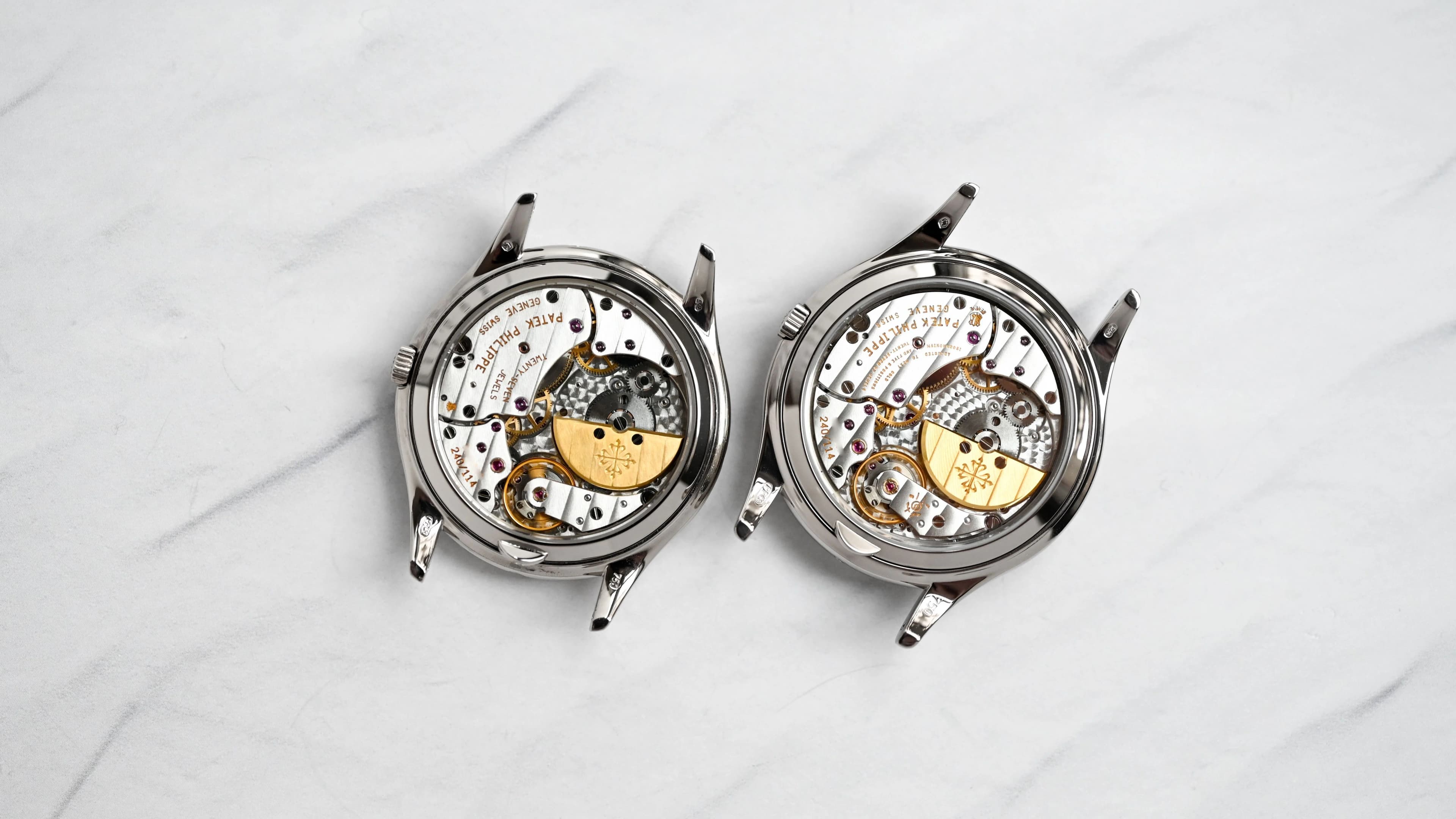
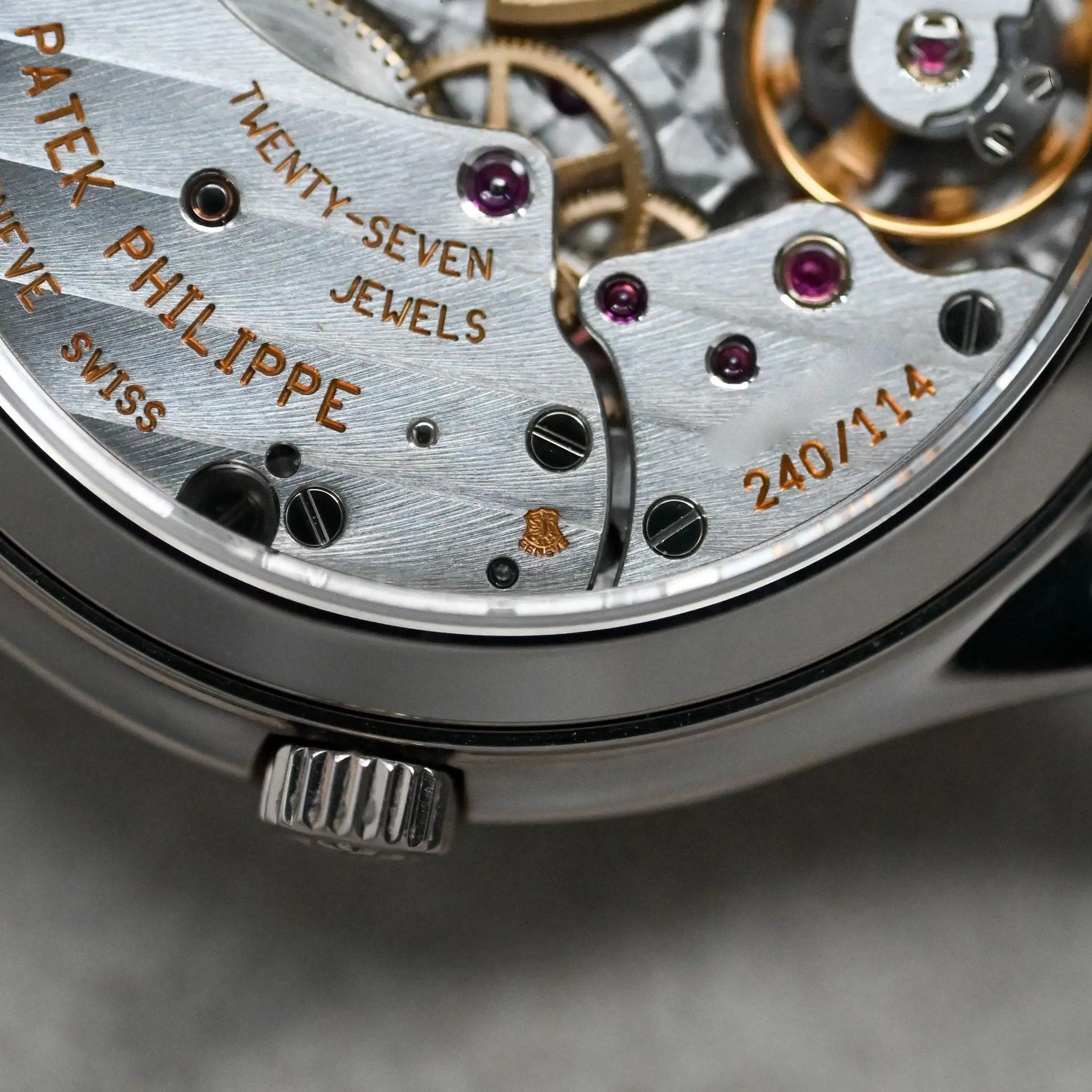
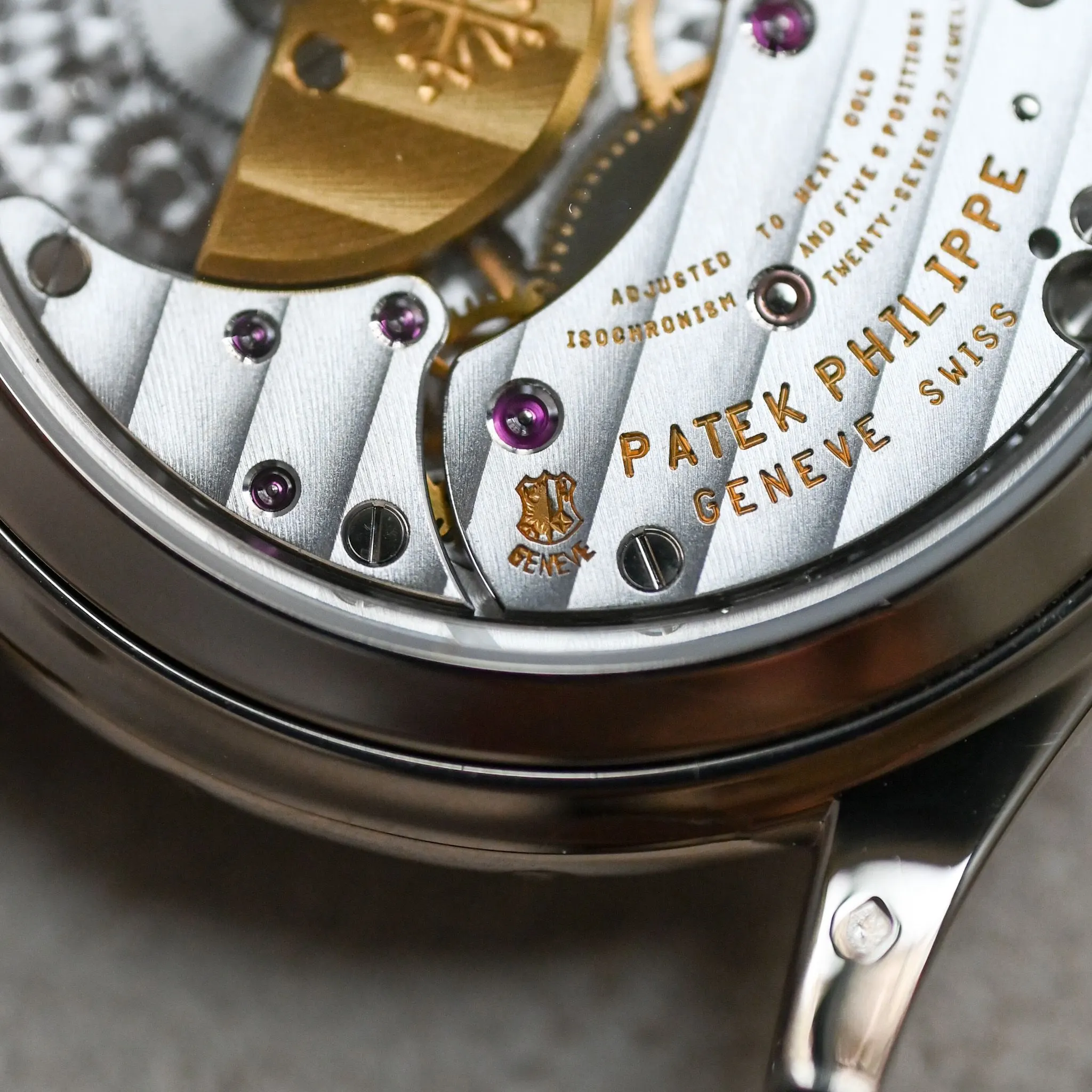
Although minor updates were introduced throughout the production of the 3940, the watch is powered by the ultra-thin automatic Calibre 240-Q, based on a movement dating back to the 1970s and featuring a micro-rotor. This same base calibre would continue to be used in the 5140 series.
A slightly revised Caliber 240/114 was used from the third series of the 3940 until 2009, when the Patek Philippe Seal was introduced to replace the Geneva Seal. As a result, the white gold 5140G, and even more so the yellow gold 5140J, bearing the Geneva Seal are the rarest examples in the collection.
Clasp Variations: 3940 vs 5140
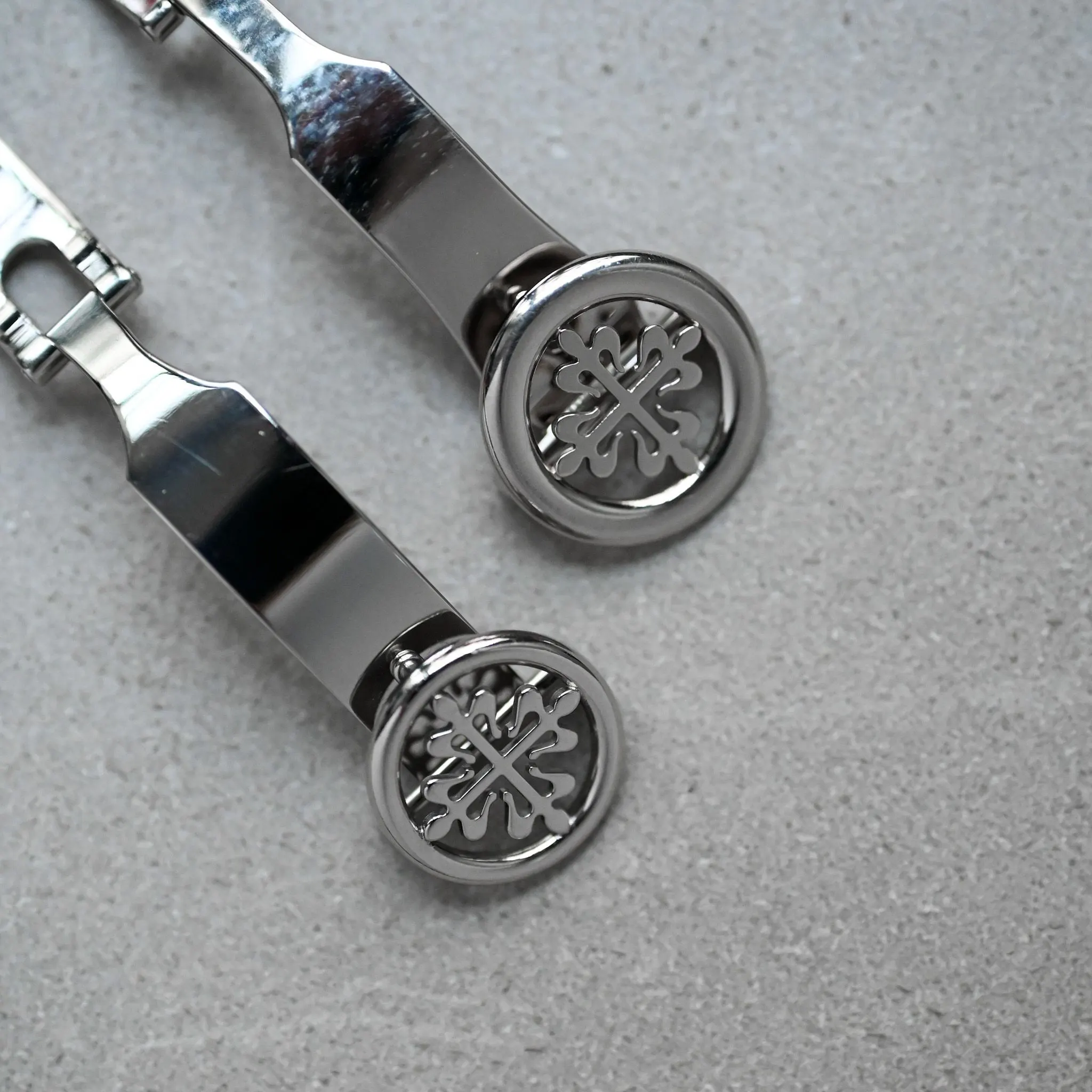
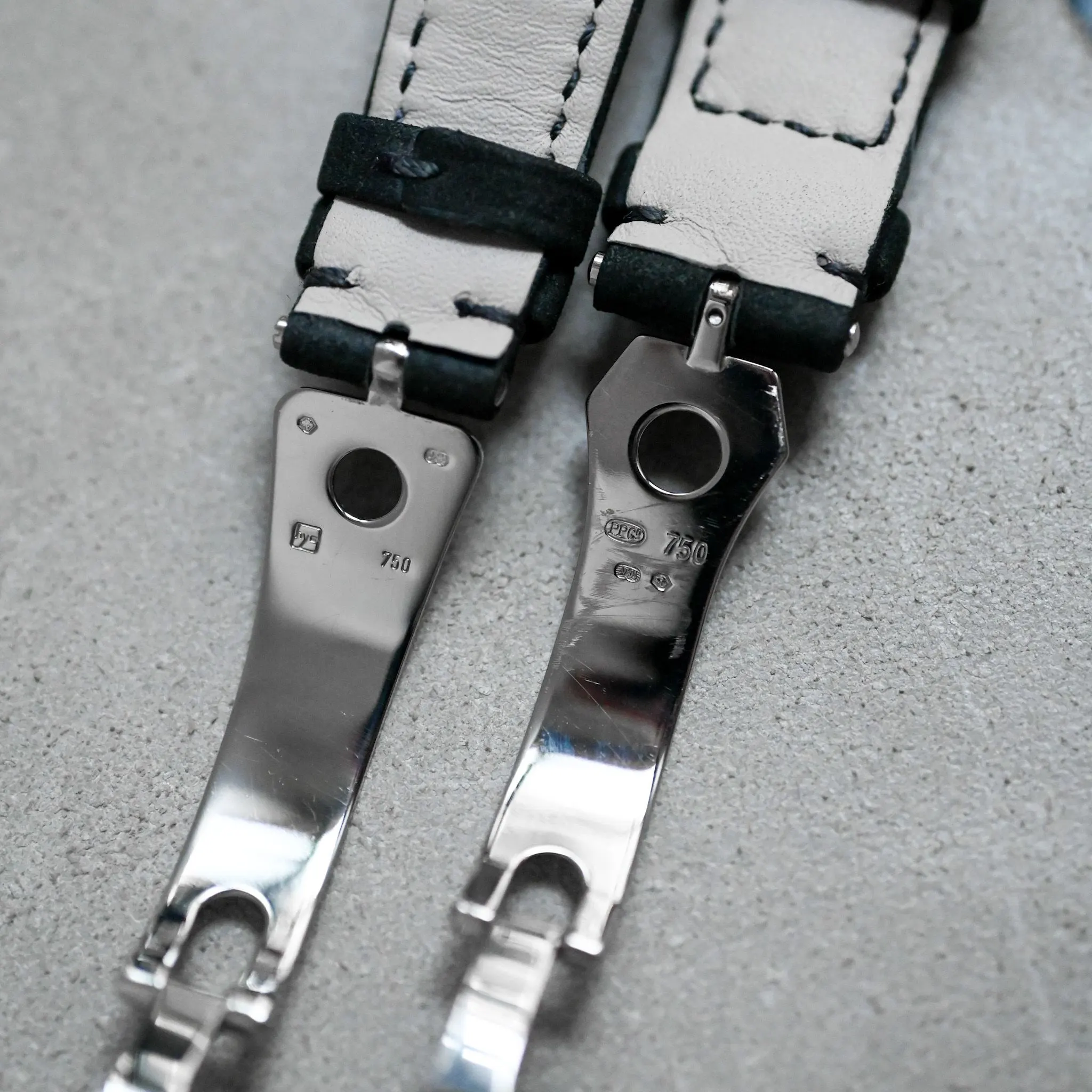
From 1997 onwards, all 3940 models are believed to have been fitted with a deployant clasp, although this has never been officially confirmed. The 5140 naturally followed the same approach, but the clasp was redesigned, with a slightly larger cover featuring the Calatrava Cross.
Patek Philippe 3940G or 5140G: Two Interpretations of the Perpetual Calendar
Although very similar in many respects, certain differences in case diameter, dial design and legibility are naturally worth considering. Both watches remain sophisticated, iconic masterpieces that can be worn every day.
Our intention is not to influence your choice, but rather to offer some guidance and food for thought.