41WATCH has surrounded itself with the safest and fastest providers to transport the most precious goods. Delivery is insured and secure.
All our watches are guaranteed to be 100% genuine.
All our watches have been inspected and appropriately serviced by our in-house watchmakers and are guaranteed for one year.
41Watch has established privileged partnerships with financial providers to offer you taylor made financing solutions.
Buying a Collectible Watch in Paris: What You Need to Know Before Getting Started
6 min read

Before we dive into recommendations or buying advice, we first need to agree on what “collectible watch” actually means. A hot topic these days, and one that gets people pretty fired up…
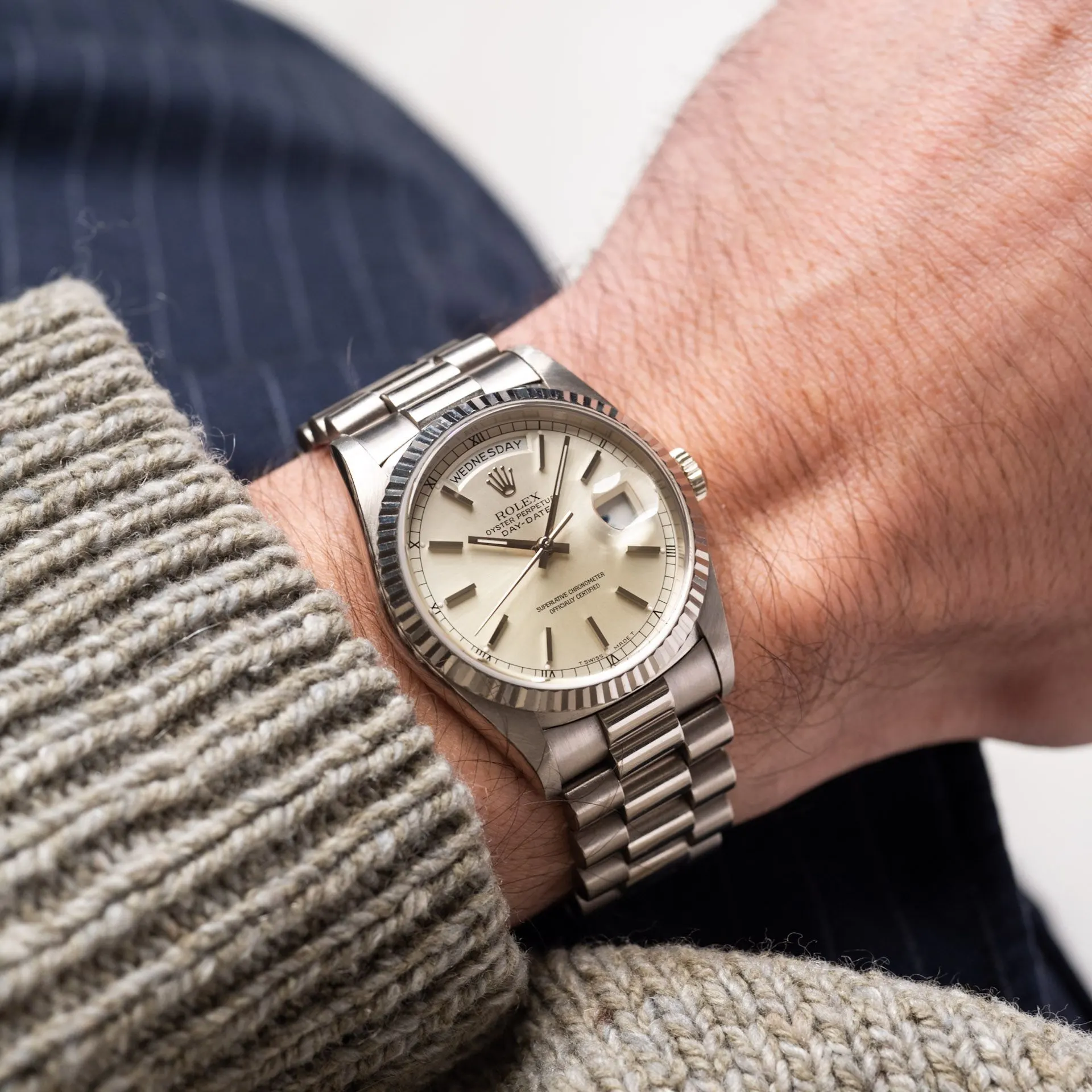
For us, it’s a piece whose appeal goes beyond age alone — above all, it’s a watch you genuinely want to keep in a collection. Generally speaking, a collectible watch is considered to be a model made before the 2000s, an iconic or sought-after reference, marked by a specific era, a signature movement, a production rarity, or a unique story.
That can range from true vintage pieces to neo-vintage references, and even some more recent models when they become desirable for their design, their movement, or the role they play in the history of major brands.
To keep things simple: you’re the one who decides whether your watch is a collectible watch!

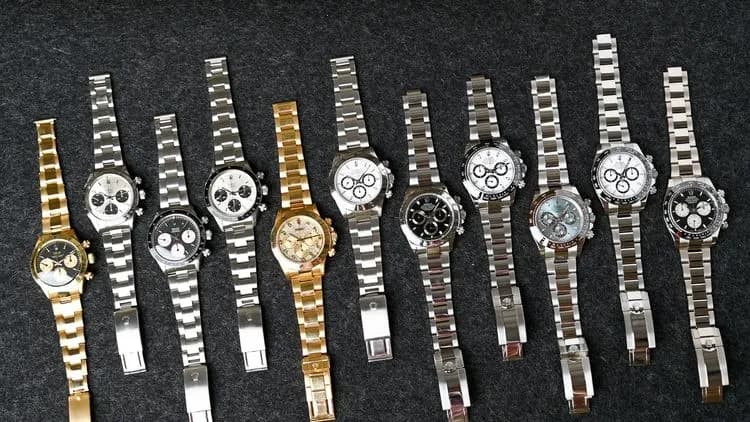
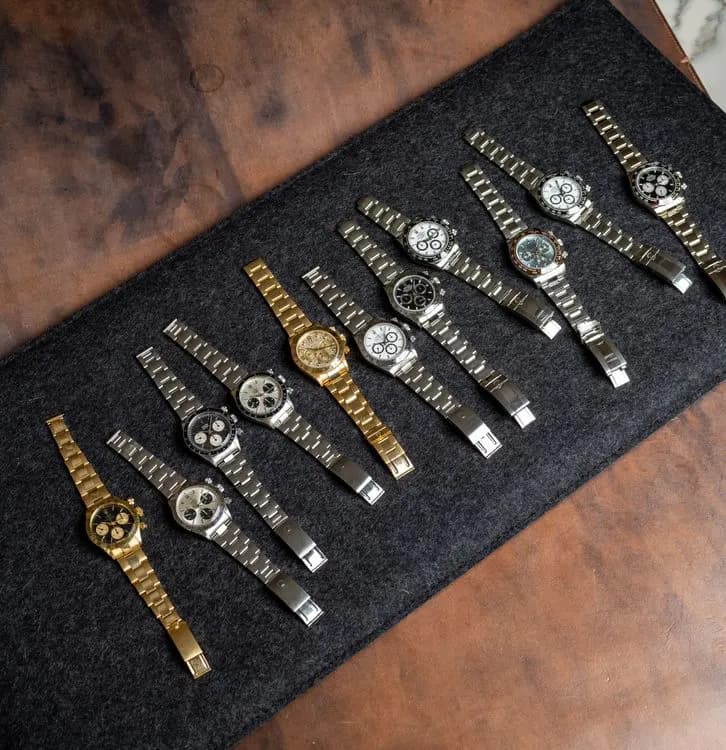
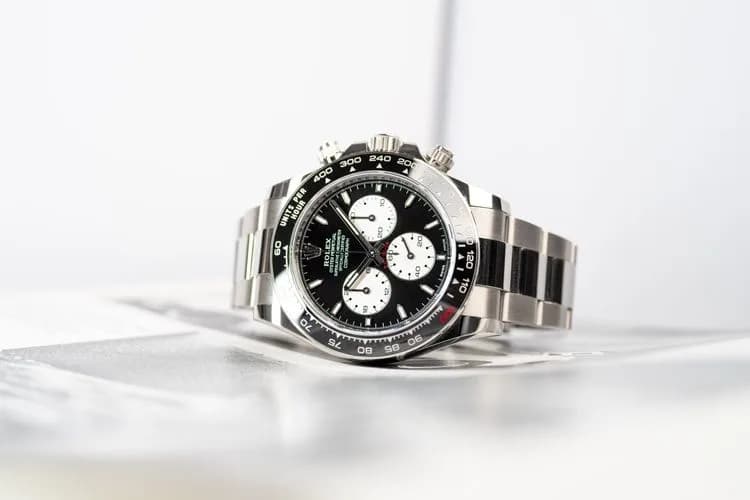
We also make a point of offering plenty of technical sheets, buying guides, and in-depth retrospectives — the Rolex Daytona being a perfect example — to give you everything you need when considering a purchase.
All the content we publish on our site has become especially popular, and we want to thank you for sticking with us so faithfully!
In other words — as you’ve now gathered — a collectible watch isn’t just an old watch: it’s a watch that means something. A recognizable reference, a milestone in a brand’s history, a model whose demand exceeds supply, and one whose value holds up — or even rises — on the secondary market… even though the price trend shouldn’t be your deciding factor!
Don’t forget that tastes evolve, and above all, try to distinguish true collectible pieces from passing trends.
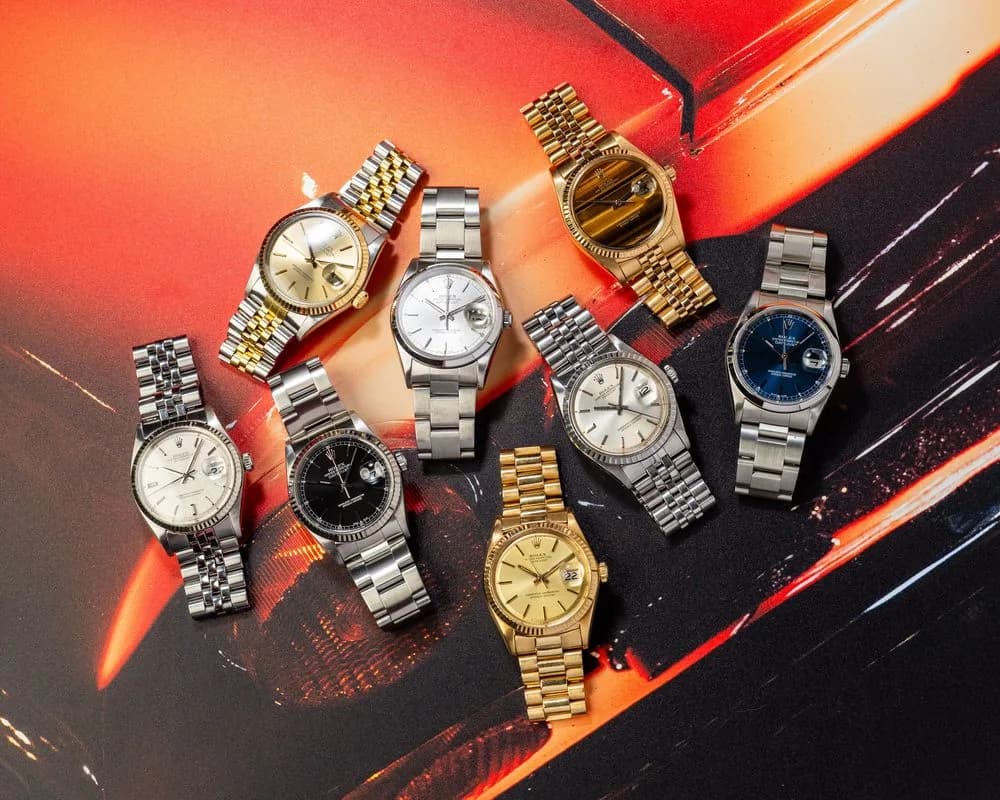
Whenever someone brings up collectible watches, three names come up every single time: Rolex, Audemars Piguet, and Patek Philippe. These three Maisons form the core of the market through their historical production, with Rolex holding a particularly dominant position — both in volume and in reputation. The Crown’s brand accounts for the largest share of the market thanks to its iconic models, the stability of its prices, and a universal recognition that goes far beyond the “watch enthusiast circle.”

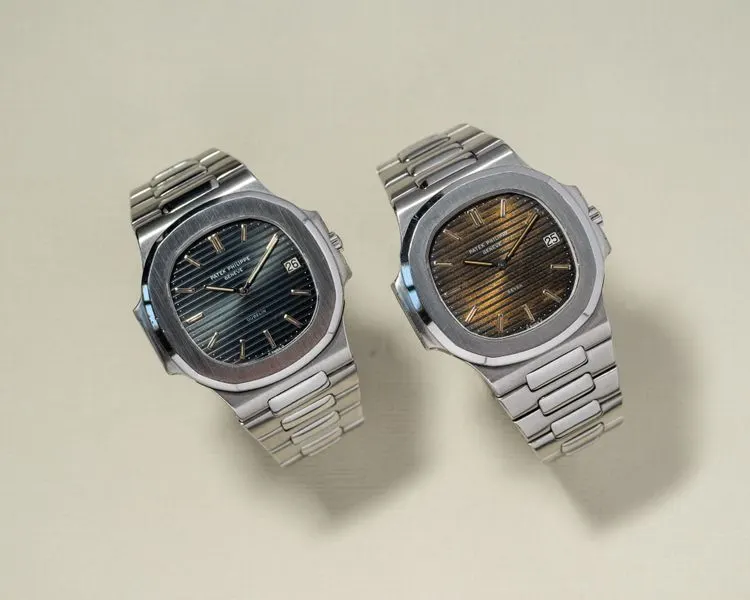
Audemars Piguet and Patek Philippe operate on a more exclusive playing field, with far more limited production — relatively speaking, of course. The Royal Oak and the Nautilus alone embody an entire chapter of watchmaking history, with Gérald Genta as the father of both designs: aesthetic proportions that have remained unchanged for decades, scarce availability, and an enduring appeal among collectors. We’ve actually covered these two iconic models many times on our blog…
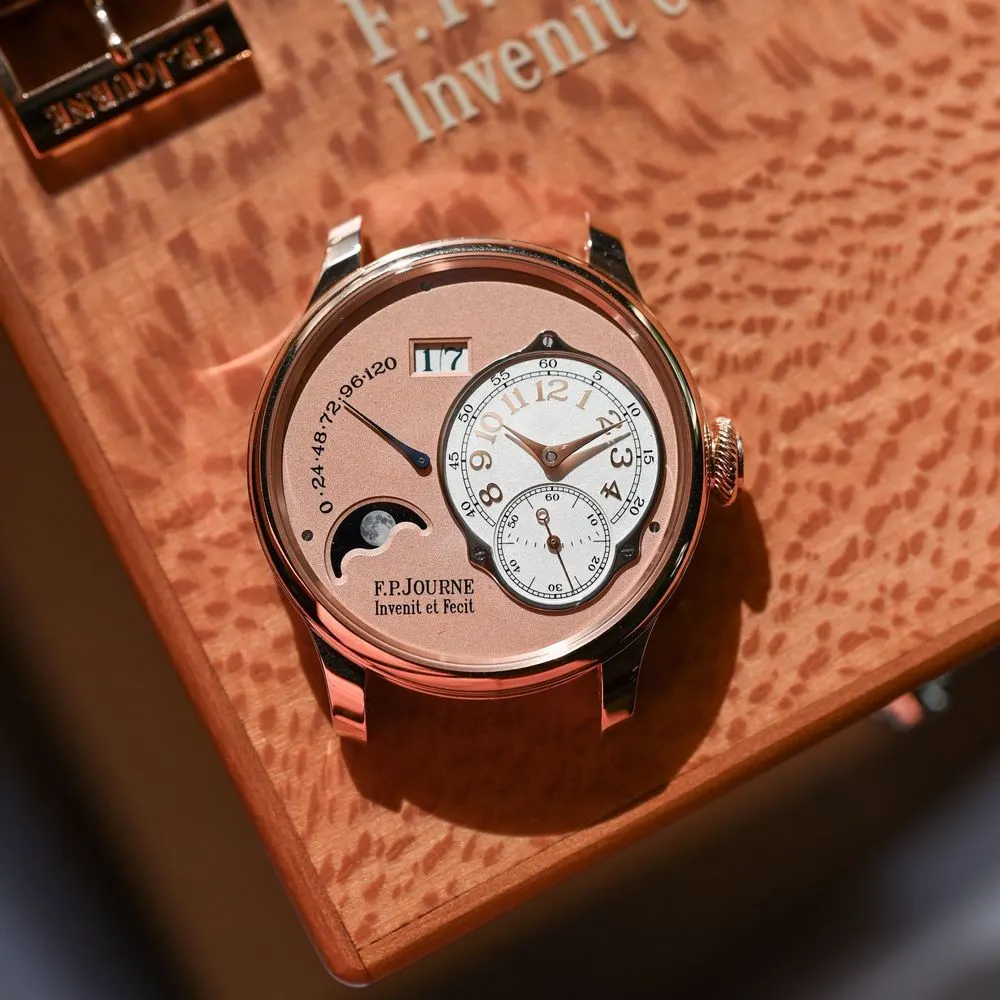
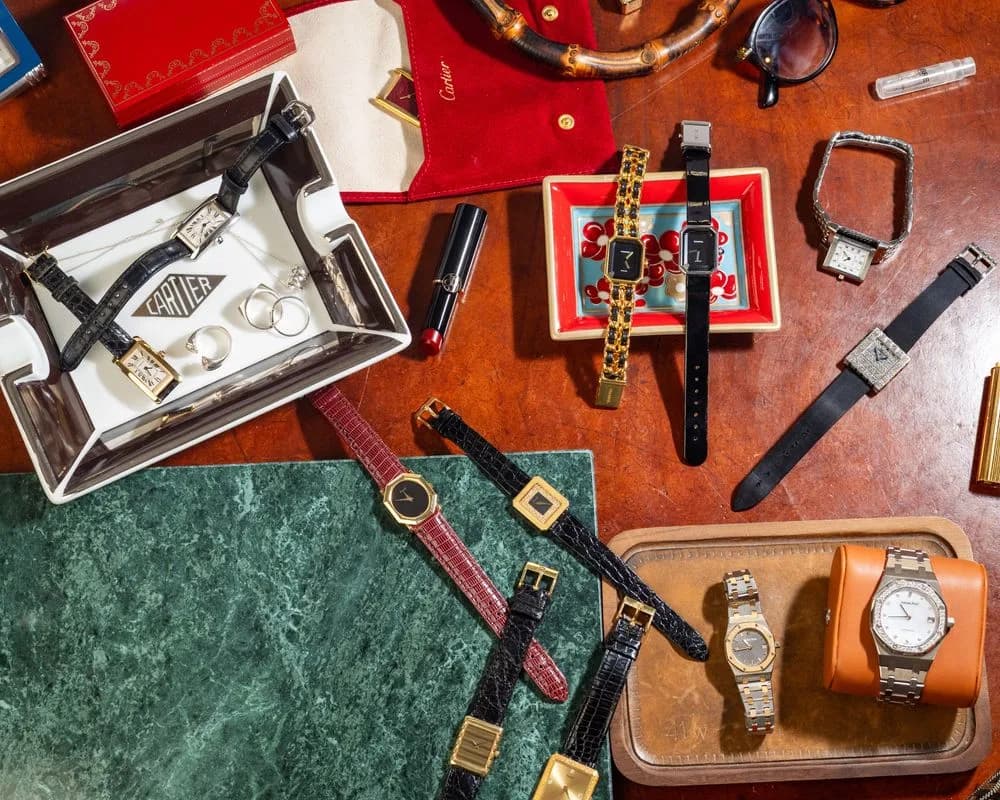
Naturally, the market doesn’t stop at those three names — far from it! Brands like Vacheron Constantin, Jaeger-LeCoultre, Omega, Cartier, and Breguet have all left their mark on watchmaking history and offer references that are very much sought after. Some of them, still undervalued today, even represent excellent opportunities for anyone looking to start or expand a collection with a bit of discernment. Let’s not forget that Breguet is one of the founding fathers of watchmaking, and that Vacheron Constantin is among the oldest brands in the industry…
Paris remains an essential stop for anyone interested in collectible watches: pieces move quickly, and many players — some of them established for decades — are based there. And it’s not just a local phenomenon: plenty of international buyers — Americans first, but also Italians, Swiss, and Brits — pass through Paris either to sell a watch or to hunt down a specific piece. You’ll often find several examples of the same model, making comparisons much easier than elsewhere.
The city offers a uniquely dynamic ecosystem where hard-to-get recent models, well-preserved vintage references, more confidential pieces sought by connoisseurs, and heritage watches coming from estates or private collections all coexist. Buying in Paris makes it possible to compare, examine, and handle the watches before making a decision — a decisive advantage when authenticity, condition, or component integrity is at stake.
Switzerland, where 41Watch is also established, is another highly active market — but a very different one from Paris. That’s exactly why we operate in both locations.

Whatever the production year, buying a collectible watch means taking several key factors into account. The first — and probably the most important — is the condition of the watch. You need to know what the model looked like originally: case proportions, edges, dial typography, type of hands, insert, bracelet… An overly aggressive polish, a replaced dial, or a bezel that doesn’t match the period can significantly affect the value and even become a deal-breaker. At 41Watch, we’ve chosen to provide our collectible watches with an expert report written by our friend and specialist Fabrice Guéroux to avoid any misunderstanding. Every detail matters, and that’s what separates an interesting watch from one truly worthy of a collection.
The second criterion is the authenticity and consistency of the components. A vintage watch may have undergone various interventions over the years: service hands, a newer insert, a non-original caseback or bracelet. None of this is necessarily a deal-breaker, but it must be factored into the evaluation and the asking price. A fully original piece will always be more desirable — and therefore more valuable.
Finally, it’s essential to assess whether the price is fair compared to the actual market, which often differs from the numbers you see online. Comparing multiple examples, looking at recent sales, observing trends, and — above all — getting guidance from a recognized professional all help avoid misjudgments. A successful transaction depends as much on the quality of the watch as on the trust you place in the seller, which is crucial when dealing with older pieces or high-value models.
It’s also worth remembering that the listed price isn’t always the real market price. Online platforms like Chrono24 can give a general idea, but they often reflect asking prices rather than actual transaction values — which can differ significantly. Depending on condition, component consistency, or simply real-life negotiations, the gap between the advertised price and the price a watch truly sells for can be considerable — upward or downward.

A good collectible watch is all about coherence: proper condition, correct components, a clear history, and a price that actually makes sense on the market.
— Fabrice Guéroux - Independant Watch Expert
The Paris market is dense and diverse — and that’s exactly what makes it so rich. Between independent dealers, specialized boutiques, online platforms, auction houses, and private transactions, the options are plentiful — but far from equal. When it comes to a collectible watch, the goal isn’t just to find a sought-after reference: it’s to buy it at the right price, in the right condition, and with the right level of guarantee.
Buying from a private individual can look appealing on paper, but it requires strong product knowledge and comes with obvious risks regarding authenticity, matching, and component correctness. International platforms offer broad visibility, but largely reflect listed prices rather than verified sales. As for auctions, they can yield excellent opportunities, but they require close attention to additional fees, sale conditions, and the actual state of the pieces being offered.
This is why many collectors prefer working with an expert, established, physically present counterpart — someone able to authenticate, document, and guarantee the watch.
At 41Watch, we carefully select and inspect every watch before it goes on sale. Authenticity, component integrity, aesthetic consistency, and full transparency regarding the watch’s true condition are all central to our approach. We only present pieces we can stand behind, document, and guarantee. Being able to see and handle the watch, ask questions, and compare several references is often what allows buyers to make a confident decision — especially when dealing with sought-after models or vintage pieces where details define the value.
I sincerely hope these lines haven’t scared anyone off. The goal was simply to lay out a few fundamentals and remind everyone of what should be obvious: expertise in collectible watches is a profession in its own right. Some passionate collectors naturally build impressive knowledge, but nothing truly replaces the sheer volume of collectible pieces a professional sees over the course of a year.
In a specialized boutique or from a reputable dealer. This allows you to handle the watch, check its condition, ask questions, and benefit from a guarantee. Online platforms can serve as a reference point, but listed prices don’t always reflect actual transactions.
“Vintage” generally refers to pieces made before the 1990s, “neo-vintage” to the 1990–2000 era, and “modern” to more recent models. But beyond the year, what truly matters is horological interest — some modern references are already considered collectible.
It can be a plus, especially for resale, but it’s not a strict requirement. At 41Watch, we prioritize an honest watch — meaning original components in acceptable condition — rather than a piece that comes with papers but includes mismatched or period-incorrect parts.
By checking the consistency of the dial, hands, movement, case reference, and bracelet reference. A qualified expert can open the watch, inspect the components, and confirm its integrity. This is one of the key advantages of buying from a specialist. At 41Watch, we work with independent expert Fabrice Guéroux to certify collectible pieces.
Because many online prices are asking prices, not actual completed sales. In reality, the true condition, the originality of components, and current demand for a specific reference directly affect its value. The market is read with watches in hand — not just through listings (Chrono24 first among them).
Rolex is the most common entry point thanks to its strong market liquidity and stable values. Patek usually requires more experience and a higher budget but offers unparalleled horological depth. The choice depends on your goal — pleasure, investment, long term — though one rule should never be ignored: buy a watch because you love it, not because it might go up in value.
Ideally both, but in practice you often have to choose. A very clean watch with service parts is generally less sought after than a well-preserved original example, even with visible patina. That’s where an expert eye makes all the difference.